Wine and Food Pairings: The Sustainable Way
Wine and food have always been a delightful combination, but in today's environmentally conscious world, there's a growing interest in making these pairings sustainable. "Wine and Food Pairings: The Sustainable Way" is not just about enjoying great flavors; it's about making choices that support the planet. This article explores how sustainable practices in winemaking and food production can enhance your dining experience while contributing to a healthier environment.
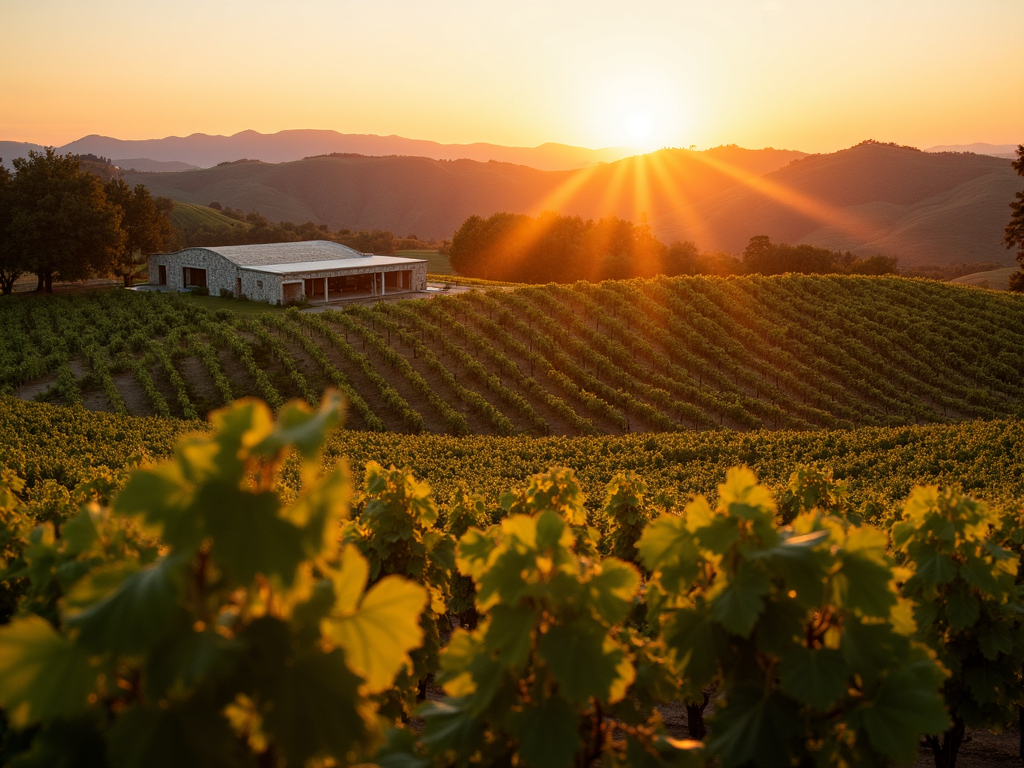
Sustainable winemaking is a holistic approach to producing wine that considers environmental, social, and economic factors. It's about creating high-quality wine while minimizing the impact on the environment and supporting the community.
Key practices include:
- Organic Farming: Avoiding synthetic pesticides and fertilizers to protect soil health and biodiversity.
- Water Conservation: Implementing efficient irrigation systems and water recycling to reduce water usage.
- Renewable Energy: Using solar or wind power to reduce carbon emissions.
- Biodiversity: Planting cover crops and maintaining natural habitats to support local wildlife.
For example, many wineries in California have adopted these practices. I recall visiting a winery in Sonoma that used sheep to naturally control weeds and fertilize the soil, eliminating the need for chemical herbicides.
Sustainable winemaking also involves certifications. Wineries can be certified organic, biodynamic, or sustainable by organizations like the California Sustainable Winegrowing Alliance (CSWA). These certifications ensure that the winery meets strict standards for environmental stewardship.
According to John Smith, a leading expert in sustainable agriculture, "Sustainable winemaking is not just a trend; it's a necessity for the future of the industry. It ensures that we can continue to enjoy wine for generations to come while protecting our planet."
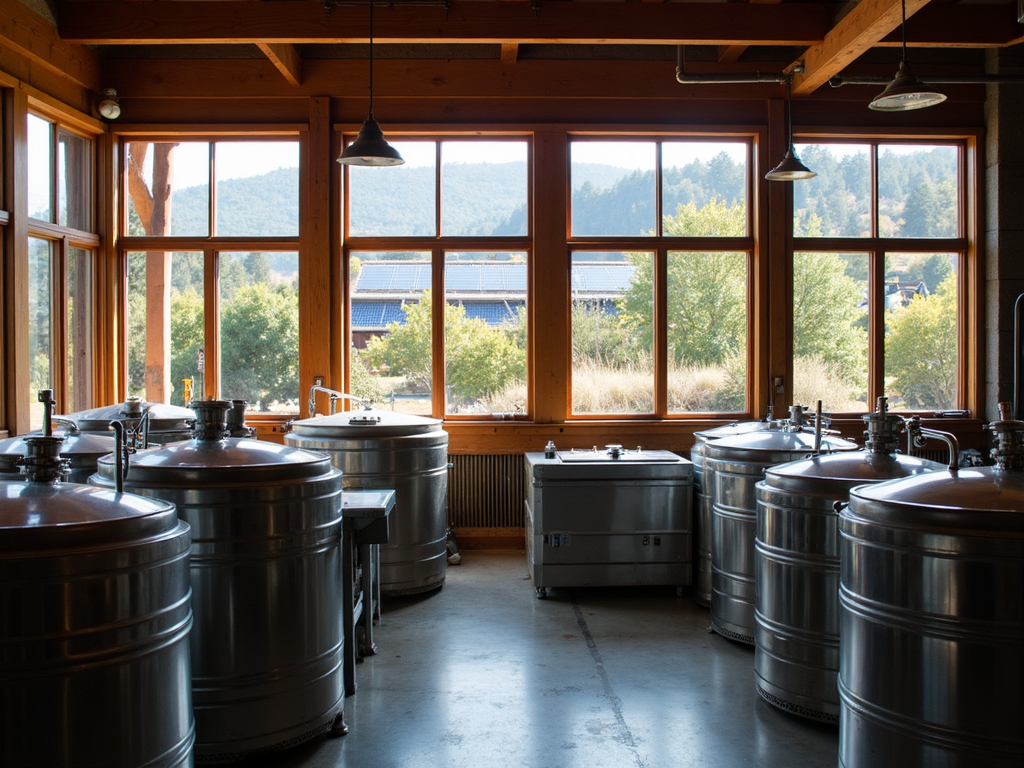
California is renowned for its wine, and it's also a pioneer in sustainable winemaking. Regions like Napa Valley, Sonoma County, and Paso Robles are home to numerous wineries that prioritize sustainability.
In Napa Valley, for instance, wineries like Frog's Leap have been practicing organic and biodynamic farming for decades. During my visit, I was impressed by their dry farming techniques, which rely on natural rainfall rather than irrigation, conserving water and encouraging deeper root growth for healthier vines.
Sonoma County is another leader, with many wineries participating in the CSWA's certification program. These wineries implement practices such as integrated pest management, which uses natural predators to control pests instead of chemicals.
Paso Robles, known for its diverse microclimates, has wineries that focus on biodiversity. Some plant native vegetation to attract beneficial insects and birds, creating a balanced ecosystem.
California's commitment to sustainability is evident in the numbers: over 80% of the state's winegrape acreage is certified sustainable by the CSWA.
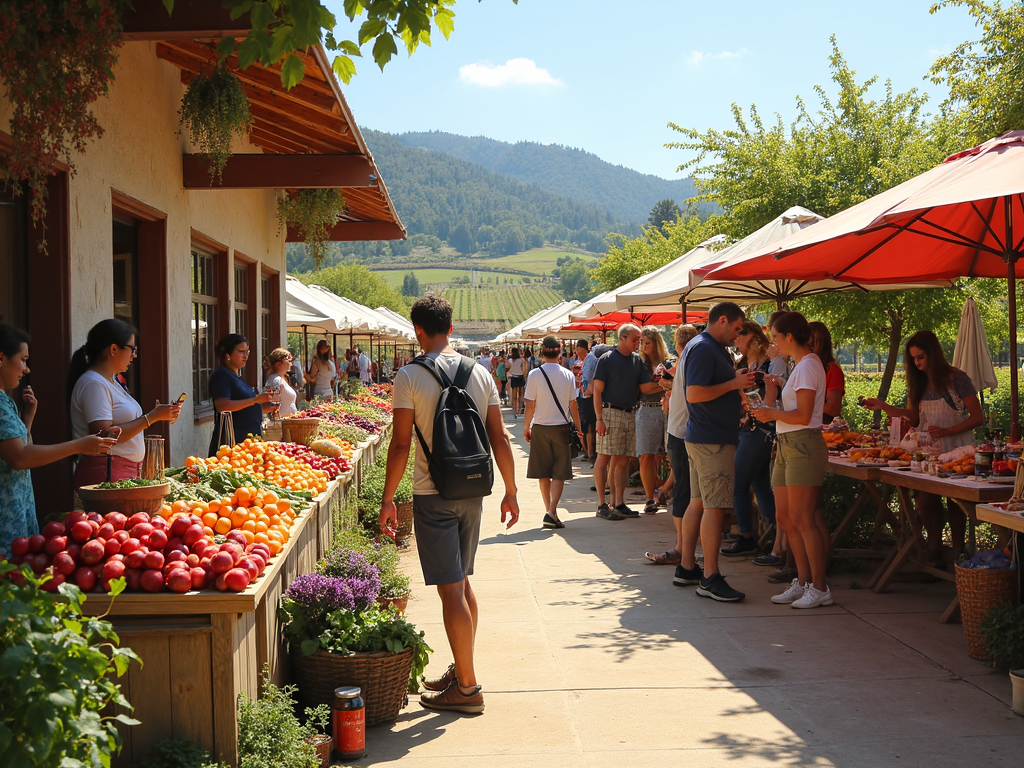
Tasting wine is an art, and when you choose sustainable wines, you're not only enjoying a great product but also supporting environmentally friendly practices. Here's a simple guide to tasting wine like a pro:
- Look: Hold the glass up to the light and observe the wine's color and clarity. Sustainable wines often have a natural vibrancy.
- Smell: Swirl the wine gently and take a deep sniff. Note the aromas—fruity, floral, earthy? Sustainable practices can lead to purer expressions of the grape's characteristics.
- Taste: Take a small sip and let it roll over your tongue. Pay attention to the flavors, acidity, tannins, and finish. Sustainable wines often have a clean, authentic taste.
- Think: Consider the wine's balance and complexity. Does it reflect its origin? Sustainable winemaking can enhance the wine's sense of place.
When tasting sustainable wines, you might notice differences. For example, biodynamic wines are said to have a unique energy or vitality, though this is subjective.
I remember tasting a sustainable Chardonnay from Monterey County that had a crisp, minerally quality, which the winemaker attributed to the healthy, chemical-free soils.
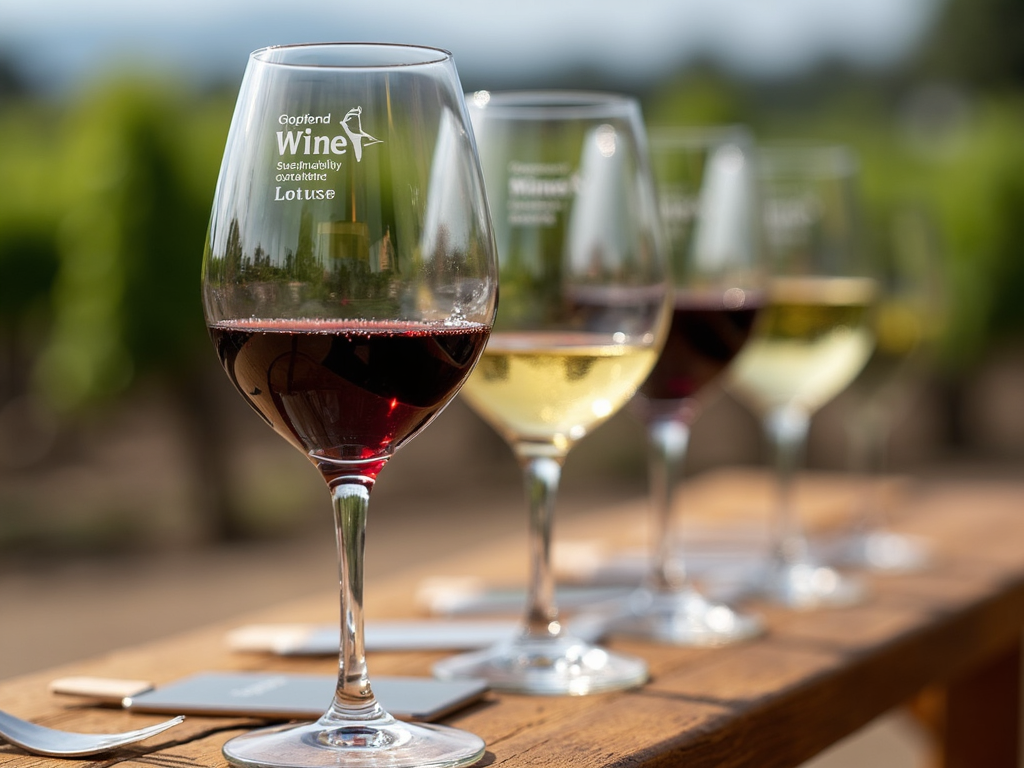
Pairing wine with cheese is a timeless pleasure, and choosing sustainable options elevates the experience. Here are some classic pairings with a sustainable twist:
- Sauvignon Blanc and Goat Cheese: Look for an organic Sauvignon Blanc and a locally produced goat cheese. The wine's acidity complements the cheese's tanginess.
- Chardonnay and Brie: A sustainably produced Chardonnay pairs beautifully with a creamy, organic Brie.
- Pinot Noir and Gouda: Try a biodynamic Pinot Noir with an aged, sustainable Gouda for a delightful contrast.
- Cabernet Sauvignon and Aged Cheddar: A robust, sustainably made Cabernet Sauvignon matches well with a sharp, organic aged Cheddar.
When selecting cheeses, opt for those from small, local dairies that practice sustainable farming. Similarly, choose wines from wineries committed to eco-friendly practices.
I once hosted a dinner party where I served a selection of sustainable wines and cheeses. The highlight was a pairing of a organic Zinfandel with a smoked, sustainably produced mozzarella—unexpected but delicious.
| Wine Type | Cheese Pairing | Sustainability Tip |
|---|---|---|
| Sauvignon Blanc | Goat Cheese | Choose organic wine and local cheese |
| Chardonnay | Brie | Look for sustainable certifications |
| Pinot Noir | Gouda | Opt for biodynamic wine |
| Cabernet Sauvignon | Aged Cheddar | Select wine from eco-conscious wineries |
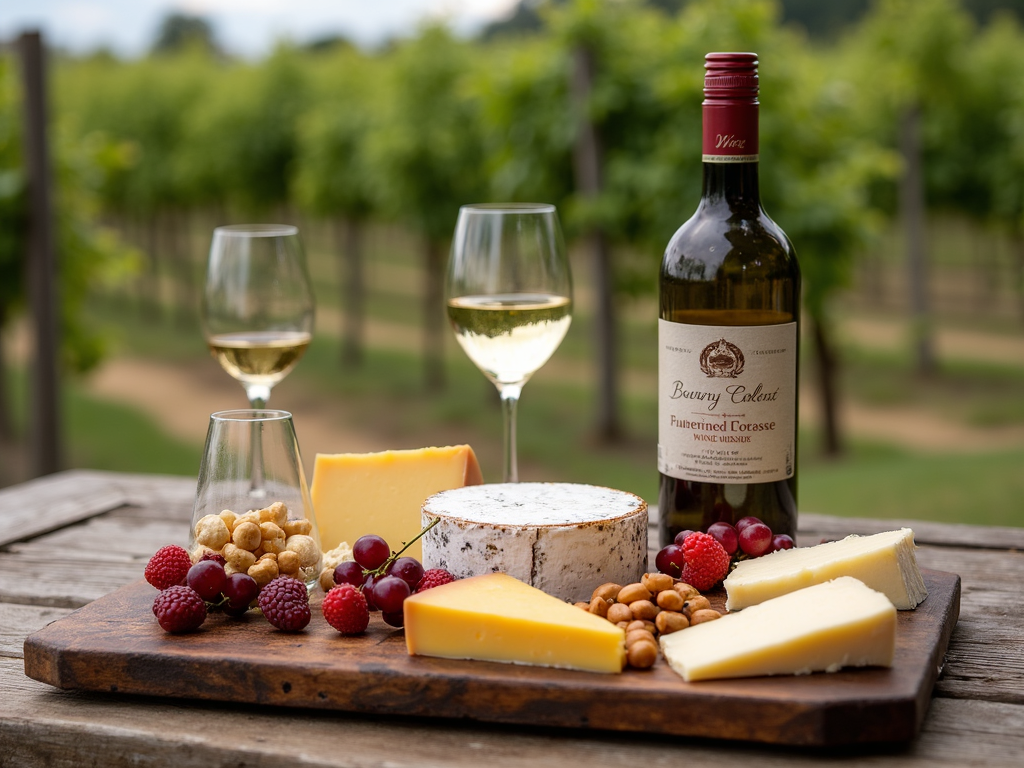
While cheese is a classic pairing, there are many other sustainable foods that complement wine beautifully.
- Seafood: Pair a sustainable Albariño with grilled, sustainably sourced shrimp.
- Vegetables: A crisp, organic Pinot Grigio goes well with a salad of locally grown greens.
- Meats: Try a robust, biodynamic Syrah with grass-fed, organic beef.
By choosing sustainably produced foods, you can create a fully eco-friendly dining experience.
My journey into sustainable wine and food pairings began a few years ago when I visited a small, family-owned winery in Oregon. They were passionate about sustainability, from their farming practices to their packaging. Tasting their wines, I was struck by the purity and depth of flavor. It made me realize that sustainability isn't just about the environment; it can also enhance the quality of the product.
Since then, I've made a conscious effort to choose sustainable options. Whether it's picking a bottle of wine with a sustainability certification or selecting cheese from a local, eco-friendly dairy, these choices have enriched my dining experiences.
One memorable evening, I prepared a meal using all sustainable ingredients, including a biodynamic Merlot and an organic blue cheese. The flavors were harmonious, and knowing the story behind each item made the meal even more special.
Sustainability in wine and food is not just a trend; it's a way to connect more deeply with what we consume and to support practices that benefit our planet.
Embracing "Wine and Food Pairings: The Sustainable Way" allows us to enjoy the pleasures of wine and food while making a positive impact. By understanding sustainable winemaking practices, exploring regions like California that lead in sustainability, learning to taste wine with appreciation, and choosing thoughtful pairings, we can enhance our dining experiences and support a healthier planet. Let's raise a glass to sustainable living!
- The Sustainable Wine Guide - Learn more about sustainable practices in winemaking.
- Tasting Wine: A Beginner's Guide - Master the art of wine tasting.
- The Art of Cheese and Wine Pairing - Discover more delicious pairings.