A Complete Guide to Wine Tasting: Master the Basics
Wine tasting is an art that anyone can learn, and this guide will help you master the basics. Whether you're a beginner or looking to refine your skills, you'll discover how to appreciate wine like a pro. Let's explore the world of wine together.
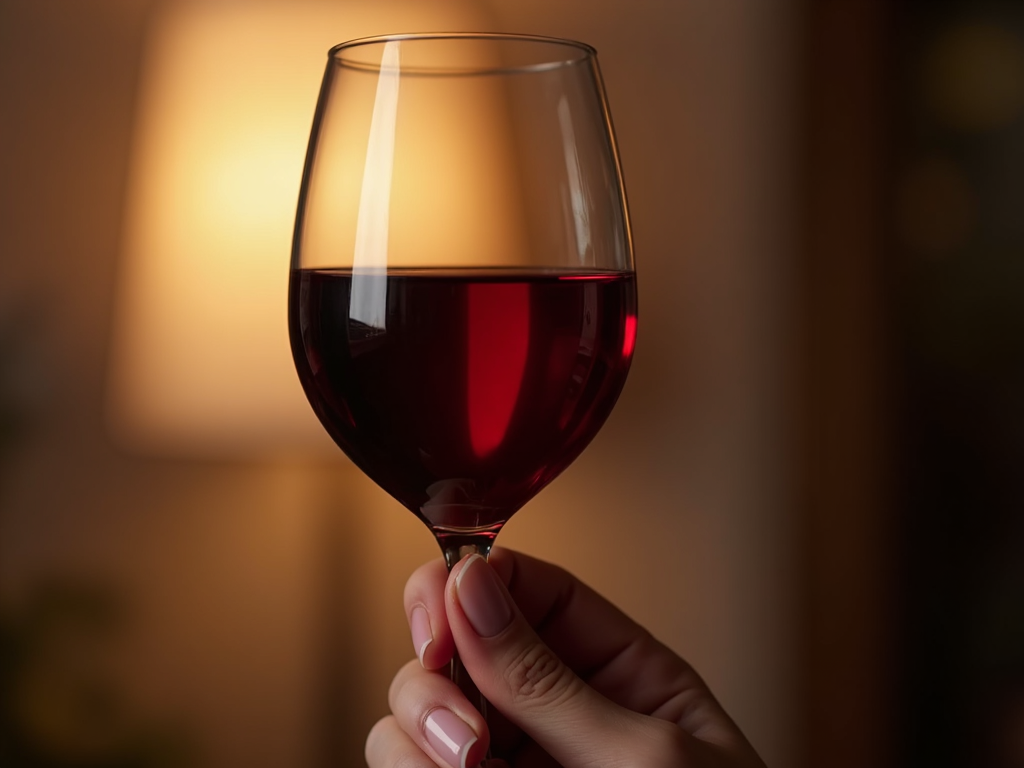
The first step in wine tasting is to look at the wine. Hold your glass up to the light and observe its color and clarity. The color can tell you a lot about the wine's age and grape variety. For example, young red wines are often deep purple, while older ones turn brick red. White wines can range from pale yellow to golden amber.
I remember the first time I mistook a young red wine for an older one because of its lighter color. It was a lesson in how different grape varieties can look similar but taste completely different. Always take a moment to appreciate the wine's hue—it's the first clue to its story.
Give your glass a gentle swirl. This lets air mix with the wine, bringing out its smells. Watch how it moves—does it stick to the sides and slide down slowly? Those “legs” can show you how much alcohol is in there. Thicker streaks often mean a stronger wine.
Swirling became my favorite part after a tasting event where the host called it “waking up the wine.” It’s such a small move, but it changes everything. You’ll notice the difference when you smell it next.
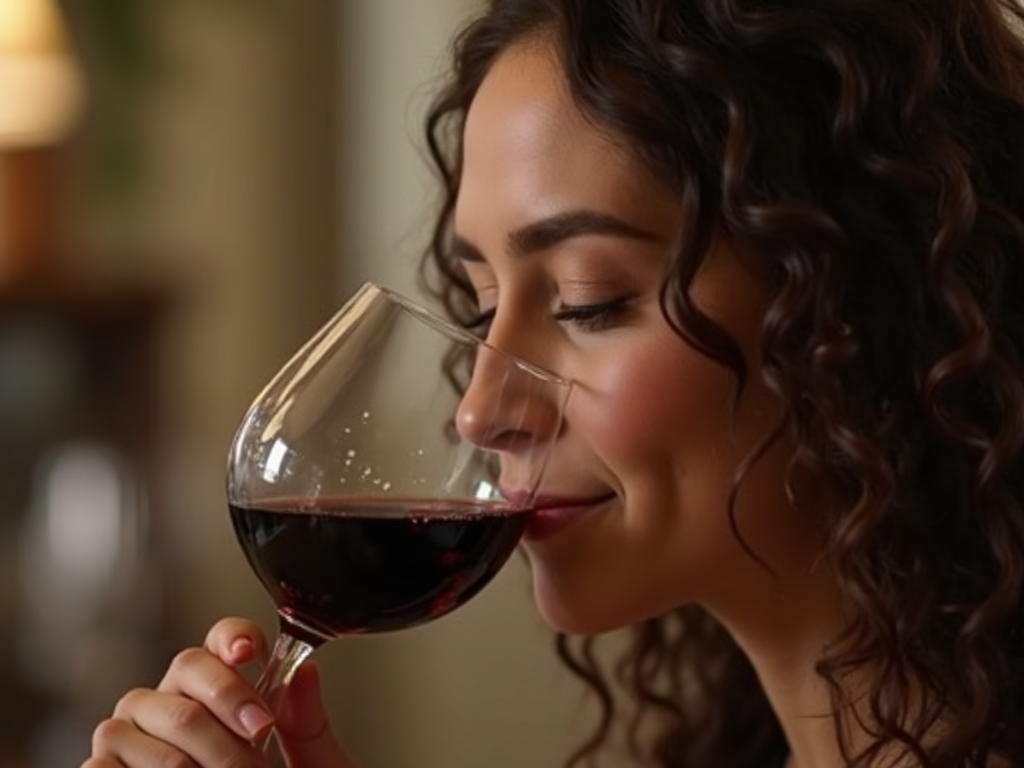
Bring the glass to your nose and take a good sniff. What do you notice? Maybe it’s fruity like berries or apples, or floral like fresh flowers. Some wines smell earthy, like wet soil, or even spicy, like pepper. Every wine has a unique scent that hints at what you’ll taste.
Once, I caught a whiff of blackberries in a Cabernet Sauvignon, and it felt like a little victory. It made the sip so much better. Take your time here—let the smells paint a picture.
Take a small sip and let the wine coat your tongue. Pay attention to the flavors, acidity, tannins (for red wines), and body. Is it light and crisp or full and rich? Does it taste fruity, oaky, or maybe even a little spicy?
One tip I’ve learned is to let the wine linger on your palate for a few seconds. This helps you pick up on subtle flavors that you might miss if you swallow too quickly. It’s like savoring a good meal—take your time and enjoy every nuance.
Wine tasting opens up a whole world to explore. Each bottle reflects the land where its grapes grew and the care put into making it. As a beginner, start with easy-drinking wines like a Sauvignon Blanc (light and zesty) or a Merlot (smooth and fruity). Practice the five steps—See, Swirl, Sniff, Sip, Savor—and you’ll get better with every glass.
Don’t worry about getting it “right.” I used to stress about naming every flavor, but now I just enjoy what I find. It’s about your experience, not a test.
Ready to share the fun? Hosting a wine tasting party is easier than you think. Here’s a quick plan:
- Pick a Theme: Try “Wines from Italy” or “Red vs. White” to keep it interesting.
- Gather Wines: Choose 4-6 bottles that match your theme. A great source? The Jackson Family Wines wine club membership offers top-notch picks delivered to your door.
- Set Up: Give everyone a sheet to write down thoughts—color, smells, tastes.
- Add Snacks: Bread, cheese, and water keep taste buds fresh between sips.
- Talk It Out: Ask everyone to share what they notice. It’s fun to compare!
Wine tasting is a skill anyone can pick up with a little practice. Using the five S’s—See, Swirl, Sniff, Sip, and Savor—you’ll uncover what makes each wine special. Whether you’re diving into Exploring the World of Wine: A Beginner’s Guide or hosting a tasting party, enjoy the journey. Here’s to your next glass!