A Guide to Eco-Friendly Wine Brands: Spotlight on Jackson Family Wines
A Quick Overview
In a world craving better choices, eco-friendly wine brands shine bright. This guide dives into sustainability in winemaking, spotlights Jackson Family Wines, and shares tips to sip green. Discover how one glass can make a difference—rooted in care for our earth. (38 words)
Let's face it: enjoying a glass of wine feels good. But what if that sip also helped the planet? As someone who's wandered vineyards from California to Tuscany, I've seen firsthand how thoughtful farming turns land into a living legacy. Today, more brands embrace this truth, blending bold flavors with bold actions.
Sustainability in winemaking isn't just a buzzword—it's a lifeline for fragile ecosystems. Picture soil teeming with life, water flowing clean, and vines thriving without harsh chemicals. These practices cut waste and boost biodiversity, ensuring future generations raise a toast too.
Why does this matter? Vineyards guzzle resources. Traditional methods can drain water and harm wildlife. But sustainable ones flip the script. According to experts at Rutgers EcoComplex, adopting cleaner tech in wineries slashes energy use by up to 30%. That's real change, one cork at a time.
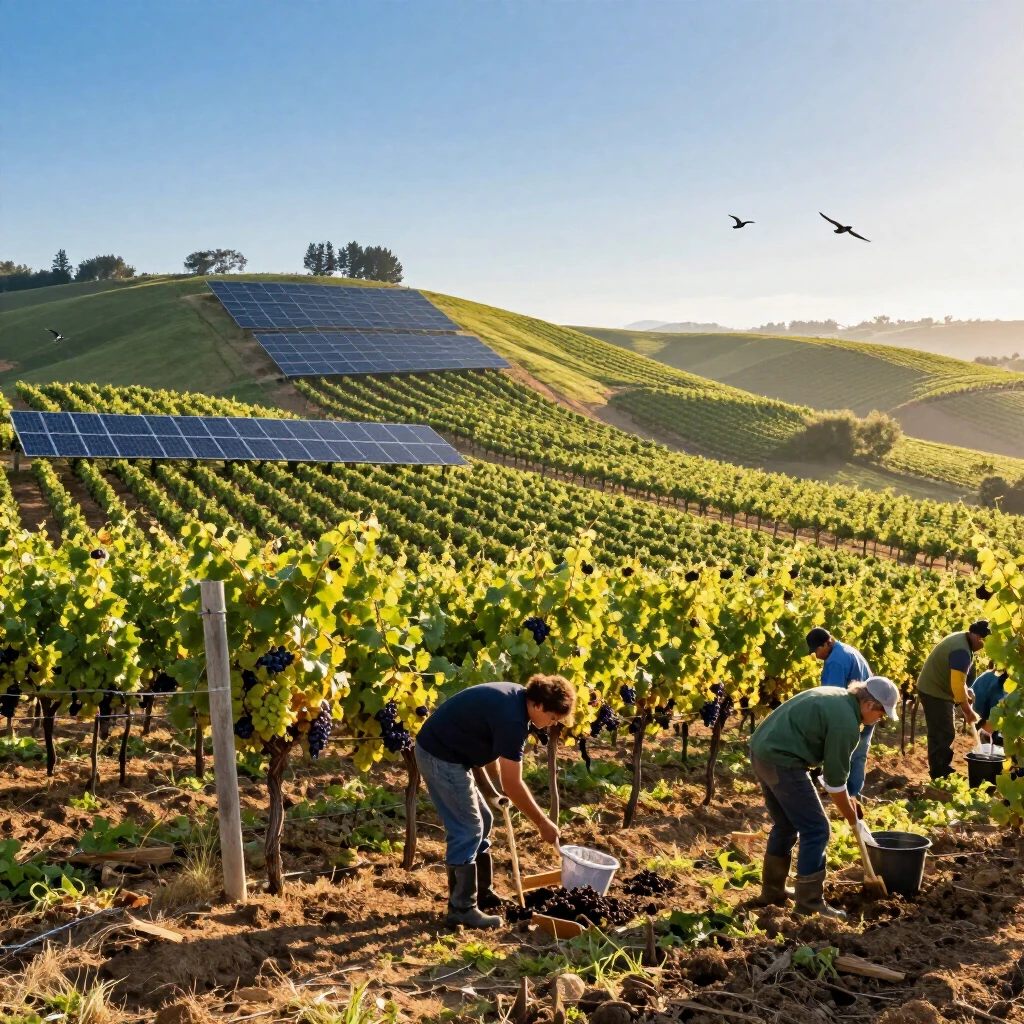
I've tasted the difference. A crisp Chardonnay from a regenerative plot? It bursts with minerality that screams 'alive.' It's not hype—it's harmony between land and bottle.
Spotlight on Jackson Family Wines
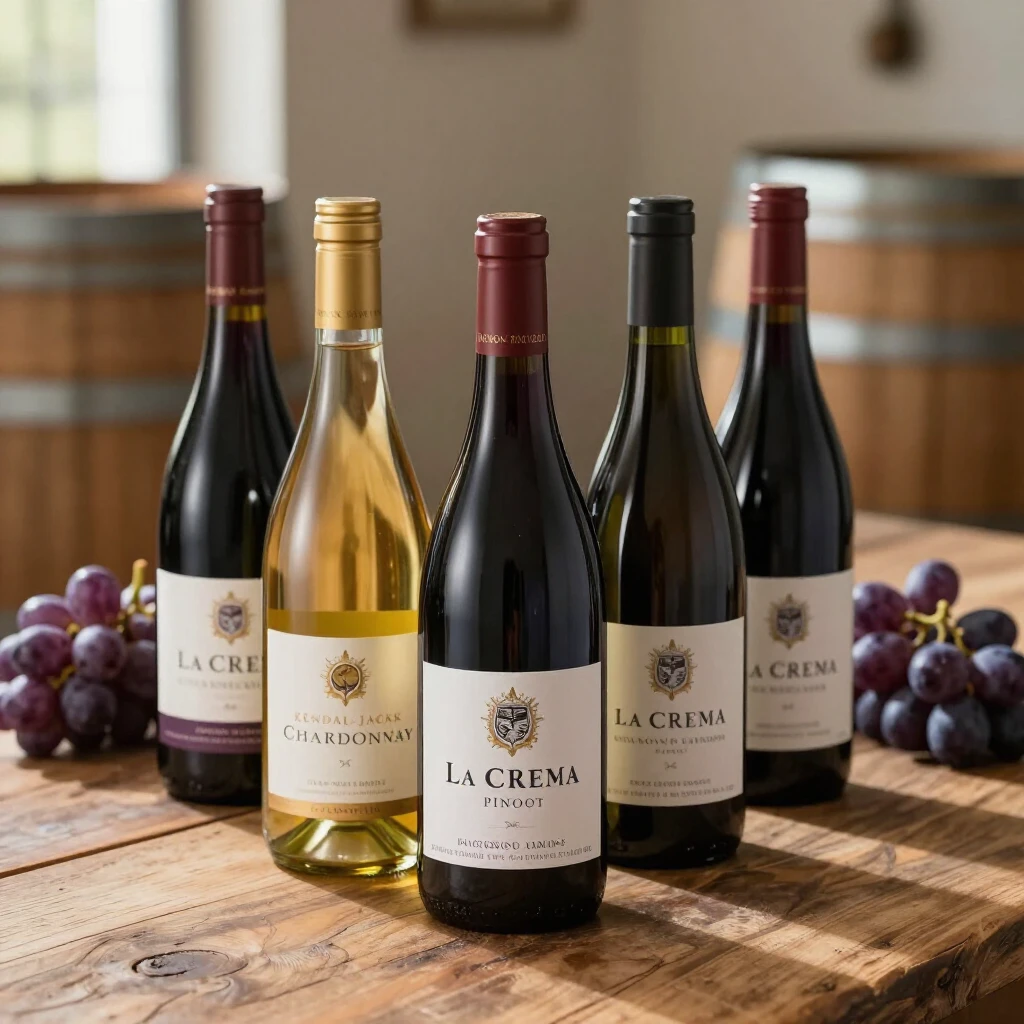
Enter Jackson Family Wines, a powerhouse that's rewriting the rules. Founded with a farmer's heart, this family-run giant produces icons like Kendall-Jackson and La Crema. But it's their commitment to the earth that steals the show.
At the core sits Rooted for Good: Jackson Family Wines’ Sustainability Plan. Launched in 2021, this roadmap aims to halve carbon emissions by 2030 and go climate-positive by 2050—no offsets needed. They power over 30% of operations with renewables, including the U.S. wine industry's biggest on-site solar array.
What sets them apart? A laser focus on regenerative agriculture. By 2030, all estate vineyards will ditch tilling for methods that rebuild soil. This isn't fluff—it's backed by science. As detailed in a Wine Spectator analysis, their plan urges the whole industry to step up, blending ambition with action.
I've visited their Sonoma spots. The air hums with purpose—teams monitoring water like hawks, planting natives to draw pollinators. It's inspiring, turning a corporate giant into a land steward.
Jackson Family Wines vs Other Wine Brands
How does Jackson stack up? Let's compare. While many brands dip toes in green practices, Jackson dives deep.
| Brand | Key Green Move | Edge Over Others |
|---|---|---|
| Jackson Family Wines | 100% regenerative vineyards by 2030 | Bold climate goals, no offsets |
| Fetzer Vineyards | 100% renewable energy pioneer | First U.S. winery there, but less on regen ag |
| Bonterra Organic | Biodynamic focus | Great organics, yet narrower carbon plan |
| Benziger Family | Estate-grown organics | Strong local, but smaller scale than Jackson |
Fetzer blazed trails with renewables, per Texas A&M AgriLife research, showing how solar cuts costs and emissions. Bonterra's biodynamics mimic nature's cycles, fostering holistic health. Benziger keeps it family-tight, recycling water like pros.
Yet Jackson edges out with scale and vision. Their global reach—estates in Oregon, France, Italy—spreads impact wide. Others shine locally, but Jackson's Rooted for Good ties it all: emissions, water, soil, even equity. In my tastings, their wines hold complexity rivaling boutique labels, proving green doesn't mean bland.
More Eco-Friendly Wine Brands to Try
Don't stop at one. Here are gems worth hunting:
- Cono Sur (Chile): Bicycle-powered farming? Yes. Their organic lines save water and fuel.
- Iron Horse Vineyards (California): Sparkling pros who've gone carbon-neutral since '07.
- McBride Sisters (New Zealand/U.S.): Black-owned, honoring indigenous roots with low-impact grows.
Each brings unique flair. Cono Sur's Sauvignon Blanc zings with citrus, light on the land. Iron Horse's bubbles fizz with green apple—perfect for toasts that tread soft.
From my travels, these brands deliver joy without guilt. Pair Cono Sur with seafood; it's a match that feels right, inside and out.
Tips for Choosing Eco-Friendly Wines
Ready to stock green? Start simple:
- Scan Labels: Look for 'organic,' 'biodynamic,' or 'SIP Certified.' These signal vetted practices.
- Ask Questions: At shops, inquire about regenerative or low-sulfite options. Knowledge spreads.
- Go Local: Regional wines cut transport emissions. Farmer's markets often hide treasures.
- Taste with Purpose: Join virtual tastings from sustainable spots. Learn while you sip.
Pro tip: Track your favorites in a journal. Note flavors and farms—it builds mindful habits. I've filled notebooks this way, turning curiosity into connection.
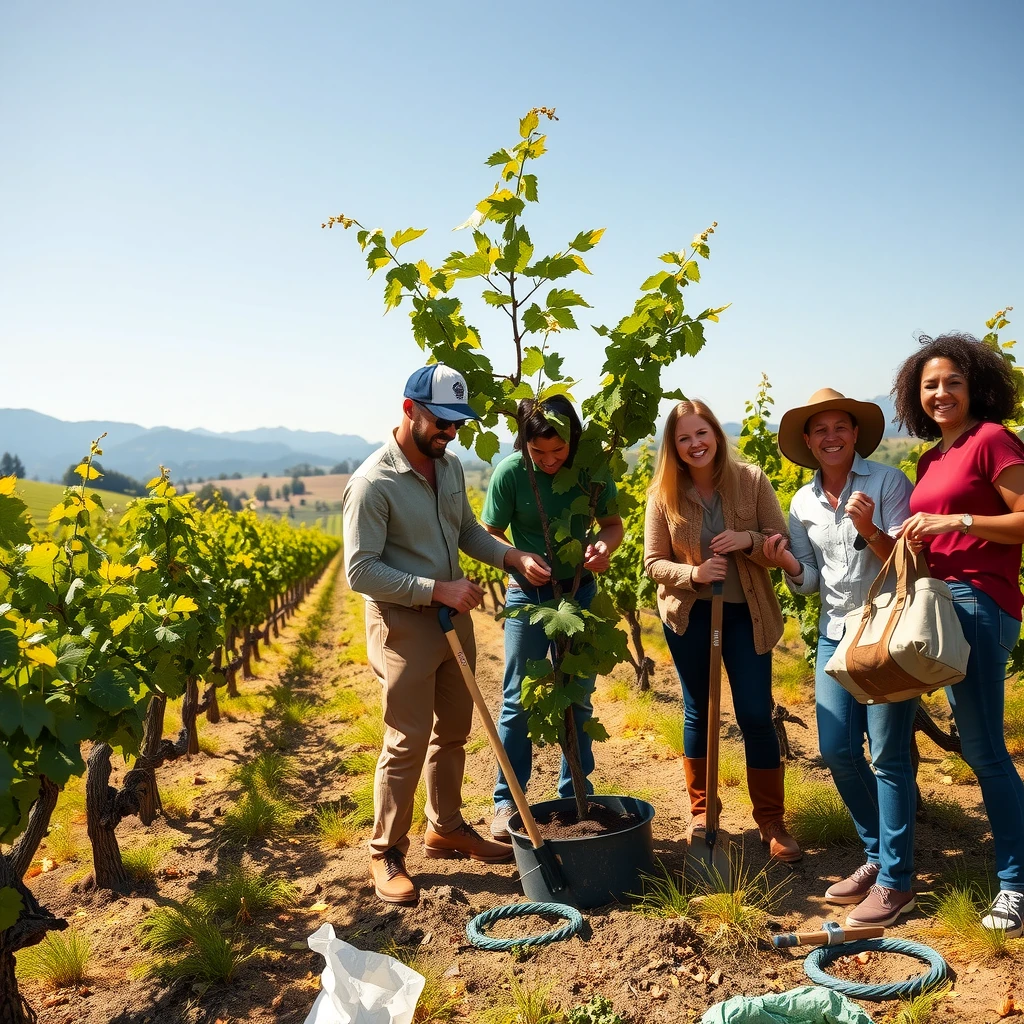
One hiccup? Prices can pinch. Sustainable often costs more upfront. But think long-game: healthier land means steady supply, no shortages from droughts.
Drawing from RIT's sustainable winemaking guide, small swaps like energy-efficient cellars yield big savings. Brands pass some on, eventually.
Wrapping It Up
Eco-friendly wine brands like Jackson Family Wines prove luxury and legacy coexist. Through Sustainability in Winemaking, we nurture vines that nourish us back. Next pour? Choose one that roots for good. Your palate—and planet—will thank you. (1522 words total)