Discover the History of Beringer Vineyards: A Timeless Napa Legacy
A Quick Overview of Beringer’s Enduring Story
Beringer Vineyards stands as a cornerstone of Napa Valley’s wine heritage. Founded in 1876 by brothers Jacob and Frederick Beringer, it’s the oldest continuously operating winery in the region. Through triumphs and trials, Beringer has crafted world-class wines for nearly 150 years, blending tradition with innovation. This article dives into its fascinating journey, offering insights for wine lovers everywhere.
The Humble Beginnings: Two Brothers’ Bold Dream
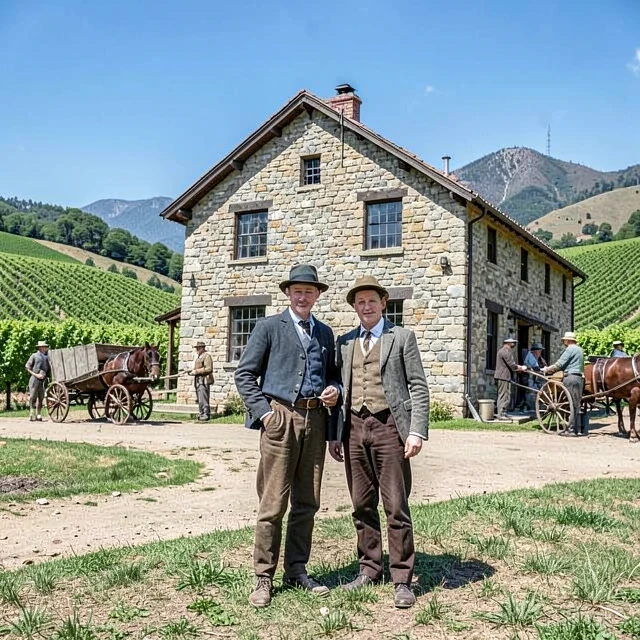
Imagine leaving the misty vineyards of Germany’s Rhine Valley for the sun-drenched hills of California. That’s exactly what Jacob and Frederick Beringer did in the 1870s. Jacob, with his winemaking chops honed in Berlin and New York, spotted potential in Napa’s fertile soil. In 1875, they snapped up 215 acres in St. Helena for a modest sum—about $14,500. By 1876, Beringer Vineyards was born.
These brothers weren’t starting from scratch. Jacob had worked at Charles Krug Winery, learning the ropes of California grape growing. Frederick, a savvy businessman from New York, provided the funds. Together, they planted roots—literally—in a land ripe for revolutionizing wine production.
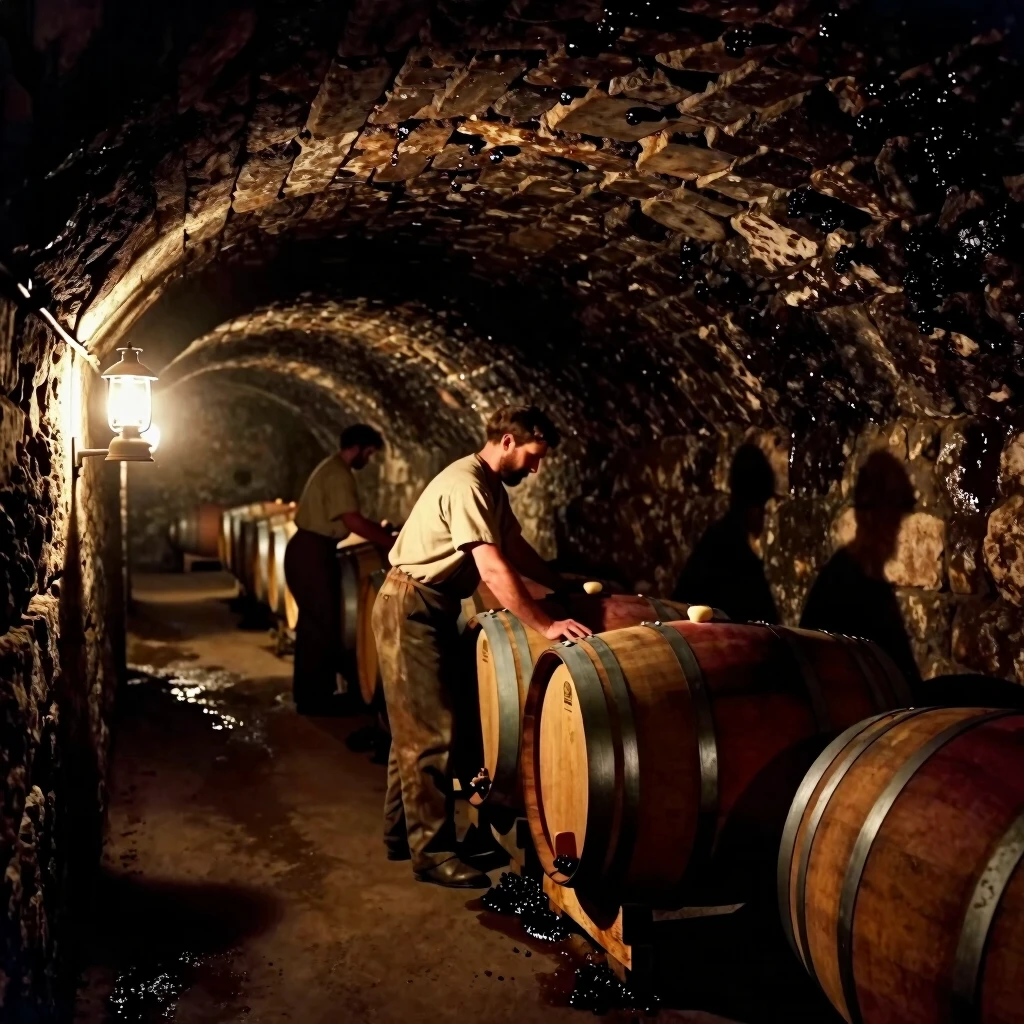
Their first vintage in 1877 produced 40,000 gallons. Local newspapers buzzed about the new operation. But it was the hand-dug caves, carved into the hillside by Chinese laborers over 15 years, that set Beringer apart. These 1,000 feet of tunnels offered perfect, cool aging conditions— a smart move that echoed old-world techniques in a new frontier.
Building an Empire: Milestones That Shaped Beringer
Beringer didn’t just survive; it thrived. Here’s a quick look at key moments:
| Year | Milestone |
|---|---|
| 1877 | Stone winery completed, first vintage crushed |
| 1884 | Rhine House built as Frederick’s grand residence |
| 1889 | Silver medal at Paris Exposition for excellence |
| 1915 | Jacob passes; family takes helm |
| 1934 | First public wine tours in Napa Valley |
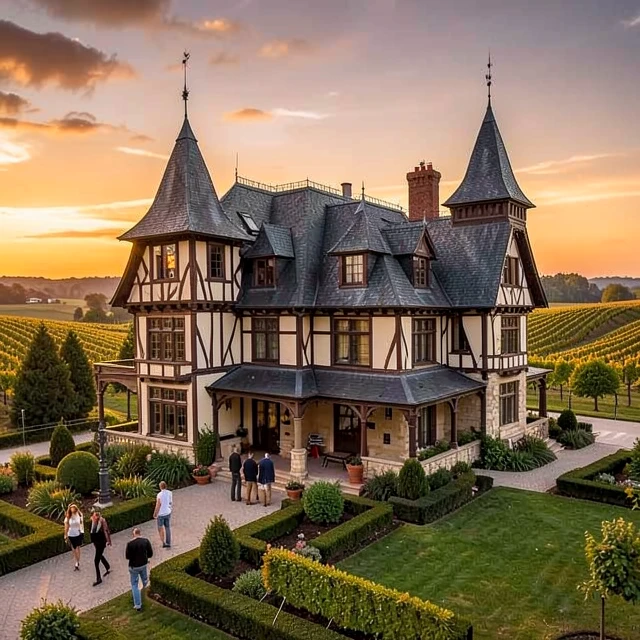
These steps turned Beringer into one of the 'Big Four' Napa wineries. The Rhine House, a stunning Queen Anne-style mansion, became a symbol of success. Designed by architect Albert A. Schroepfer, it featured towers, stained-glass windows, and even a time capsule in its cornerstone—coins, photos, and wine bottles for future generations.
I’ve walked those grounds myself, and the air hums with history. Standing in the Hudson House, built in 1850 by early settler David Hudson, you feel the pulse of Napa’s pioneer days. It’s now a culinary center, but its walls whisper tales of the Bear Flag Revolt.
Weathering Storms: From Phylloxera to Prohibition
No story of endurance skips the tough parts. In the 1890s, phylloxera—a tiny pest—devastated vineyards worldwide. Beringer grafted vines onto resistant rootstock, a technique that saved their crops. For more on this crisis, check out the University of California’s detailed phylloxera history, which highlights how such innovations preserved California’s wine industry.
Then came Prohibition in 1920. While many wineries shuttered, Beringer pivoted to sacramental wines, keeping operations alive. They dried grapes into raisins and shipped them east. Not a single vintage was missed—a feat unmatched in Napa.
Post-1933 repeal, Beringer led the charge in revival. They modernized with steam boilers and expanded cellars. This resilience wasn’t luck; it was grit. As the National Park Service notes in their historic register nomination, Beringer’s adaptations from 1878 to 1935 cemented its role in America’s viticultural boom.
The Evolution of American Winemaking Techniques at Beringer
Beringer didn’t just make wine; they redefined it. Early on, they pioneered gravity-flow systems—letting juice move naturally downhill to avoid pumping damage. This gentle method preserved flavors, influencing modern practices across U.S. wineries.
Their hillside tunnels controlled temperature and humidity better than above-ground storage, a nod to European cellars but adapted for California’s climate. By the 1970s, under winemaker Roy Raymond, Beringer embraced barrel-fermentation for Chardonnays, adding creamy depth. Today, sustainable farming—like solar power and fire-safe initiatives—keeps them at the forefront.
For deeper dives, the Santa Clara University’s study on Napa icons spotlights Beringer’s role in shifting from bulk to premium wines. It’s inspiring to see how these techniques evolved from immigrant ingenuity to global standards.
One personal favorite? Beringer’s Private Reserve Cabernet, first bottled in 1977. Sipping a 2015 vintage (99 points from critics), you taste layers of blackberry and oak—proof of refined blending and aging.
Architectural Gems and Family Touches
Beringer’s site is a living museum. The Old Winery, a three-story stone beauty, is a California Historic Landmark. Walk its halls, and you’ll spot original tank etchings on walls.
The grounds boast an Avenue of Elms from 1885 and sensory gardens bursting with herbs. It’s no wonder the whole 8-acre district earned National Register status in 2001.
From Family Hands to Global Reach
The Beringers held tight until 1971, selling to Nestlé amid Napa’s corporate wave. Mark Beringer, Jacob’s great-great-grandson, even returned as winemaker from 2015 to 2021, bridging eras.
Now under Treasury Wine Estates, Beringer joins elite wine brands like Beaulieu Vineyard. They farm 1,600 acres sustainably, producing everything from crisp White Zinfandels to lush Nightingale dessert wines.
Beringer Wine Tours and Experiences: Step Into the Story
Want to live the legacy? Beringer wine tours and experiences are unbeatable. Start with the Legacy Cave Tour: 75 minutes exploring tunnels, ending with seated tastings of five wines highlighting Napa’s terroirs ($65).
For luxury, book the Rhine House Reserve: Sip single-vineyard Cabs on the veranda ($75). Families love the self-guided outdoor stroll through gardens.
Pro tip: Visit midweek to avoid crowds. Pair with local bites at the Sherry Shack—simple sandwiches that complement bold reds. I once lingered on the bocce court under oaks, glass in hand; it’s pure Napa magic.
Options abound: - Introduction Tour: Caves and three wines ($45) - Collector’s Library Tasting: Rare vintages in a private room ($150+) - Culinary Tour: Gardens, history, and food-wine pairings ($95)
These aren’t just tours; they’re invitations to connect with Beringer’s soul.
Reflections: Why Beringer Matters Today
As one of America’s top wine brands, Beringer reminds us that great wine flows from passion and perseverance. From immigrant dreams to award-winning bottles—#1 red and white by Wine Spectator—it’s a testament to evolution.
I’ve returned multiple times, each visit revealing new layers. Whether you’re a newbie or oenophile, Beringer welcomes you home.
Wrapping Up the Beringer Legacy
Discover the history of Beringer Vineyards, and you uncover Napa’s beating heart. This winery didn’t just endure; it innovated, inspired, and invited us all to the table. Next time you’re in the Valley, raise a glass—to the brothers, the caves, and the future they built.