Pairing Food and Wine: A Beginner’s Guide
Imagine sitting down to a cozy dinner where every bite dances with your sip of wine. That's the magic of pairing food and wine. This beginner's guide walks you through the essentials, shares easy tips, and even dips into California's vibrant wine world. Whether you're new to this or just want to level up, you'll finish with confidence to create your own memorable meals.
Why Bother Pairing Food and Wine?
Pairing isn't about strict rules—it's about joy. When you match the right wine to your food, flavors pop, textures balance, and your meal becomes an event. I remember my first real pairing: a crisp white wine with fresh seafood on a summer evening. The saltiness of the fish met the wine's bright acidity, and everything just clicked. It's these moments that turn eating into an adventure.
For beginners, start small. Think about how wine can cut through richness or highlight sweetness. No fancy degree needed—just curiosity and a few bites.
The Basics: What Makes Wine Tick?
Wine comes alive through its core parts: acidity, tannin, sweetness, body, and alcohol. Acidity gives that zing, like lemon in your mouth. Tannins add grip, especially in reds from grape skins. Sweetness ranges from bone-dry to dessert-level lush.
Body? That's the weight—light like a summer breeze or full like a hearty stew. Alcohol brings warmth. Understanding these helps you match wine to food without guesswork.
The Science Behind Wine Aromas and Flavors
Ever wonder why one wine smells like cherries and another like wet earth? It's chemistry at play. Grapes hold compounds called esters and phenols that release scents when you swirl your glass. Fermentation adds layers—yeast turns sugars into alcohol and those magical aromas.
Temperature matters too: chill whites to highlight fruit notes, serve reds room-temp for deeper earthiness. Science says aromas hit your nose first, shaping taste. Next time you sip, pause and sniff—it's like unlocking a story in every glass.
I once blind-tasted a Pinot Noir that whispered strawberries before revealing smoky oak. That 'aha' moment? Pure science turning into delight. Beginners, grab a notebook. Jot notes on what you smell and taste—it builds your palate over time.
Key Food Elements for Pairing
Food has stars too: fat, acid, salt, bitter, sweet, umami. Fatty foods like steak love tannic reds to slice through. Acidic dishes, say a vinaigrette salad, pair with high-acid wines to keep balance.
Salt amplifies sweetness in wine, while bitter greens need something fruity to soften edges. Umami from mushrooms or soy begs for earthy Pinot Noirs. Sweet desserts? Go for wines sweeter than the treat, or you'll taste sour.
Keep it simple: match intensity. Light fish with light wine; robust BBQ with bold red.
Golden Rules for Beginners
No need for a rulebook thicker than your cookbook. Here are five easy guidelines:
-
Same Region Rule: Foods and wines from the same place often vibe. French cheese with Bordeaux? Heaven.
-
Contrast or Complement: Echo flavors (chocolate with Port) or oppose them (spicy Thai with off-dry Riesling).
-
Weight Matching: Light to light, heavy to heavy.
-
Acid Bridge: High-acid food? High-acid wine.
-
Finish Strong: Wine's aftertaste should linger nicely, not clash.
These aren't chains—they're starting points. Experiment! I burned a few pairings early on, like Cabernet with sushi (yikes), but each miss taught more than any book.
| Food Type | Wine Pairing Example | Why It Works |
|---|---|---|
| Grilled Salmon | Chardonnay | Creamy oak balances fish's richness |
| Pasta with Tomato Sauce | Sangiovese | Bright acid cuts through tomatoes |
| Dark Chocolate | Port | Sweetness matches cocoa's depth |
| Spicy Curry | Gewürztraminer | Floral notes tame heat |
| Cheese Platter | Rosé | Versatility refreshes the palate |
This table is your cheat sheet. Print it, pin it—use it.
Dive into California: Where Pairings Shine
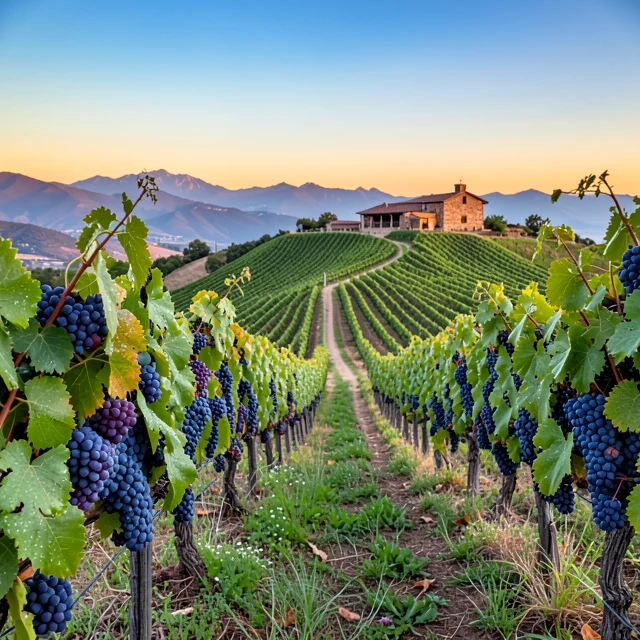
California's sun-kissed vines produce wines that beg for local eats. From foggy mornings in Sonoma to Napa's bold hills, the state's diversity means endless matches.
Take a Cabernet from Napa with grilled ribeye—tannins hug the char, berries echo the smoke. Or pair Sonoma Chardonnay with Dungeness crab: buttery notes meet sweet meat.
A Guide to California's Wine Regions
Start with Napa Valley, home to Cabernet kings and scenic drives. Sonoma offers cooler-climate Pinots, perfect for mushroom risotto. Head south to Paso Robles for zesty Zinfandels that love BBQ.
Central Coast's Santa Barbara chills with Pinot Noirs for roast chicken. Each region shapes grapes uniquely—soil, sun, fog. Visit one, and you'll taste the land in every sip.
I drove Highway 29 through Napa last spring, stopping at roadside stands for picnic pairings. A simple turkey sandwich with local Merlot? Transformed.
Exploring the Wine Regions of California
Beyond tasting rooms, wander. Monterey's garlic festival pairs with aromatic whites. Mendocino's organic farms yield wines for veggie-forward meals. These spots aren't just pretty—they're pairing playgrounds.
Pro tip: Join a food-wine tour. Guides share stories, like how fog cools grapes for crisp Sauvignon Blancs that lift goat cheese salads.
Hands-On Pairing Practice
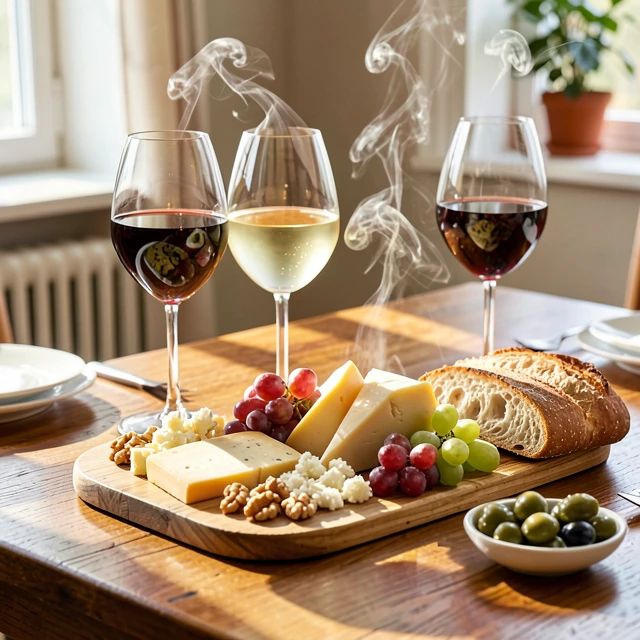
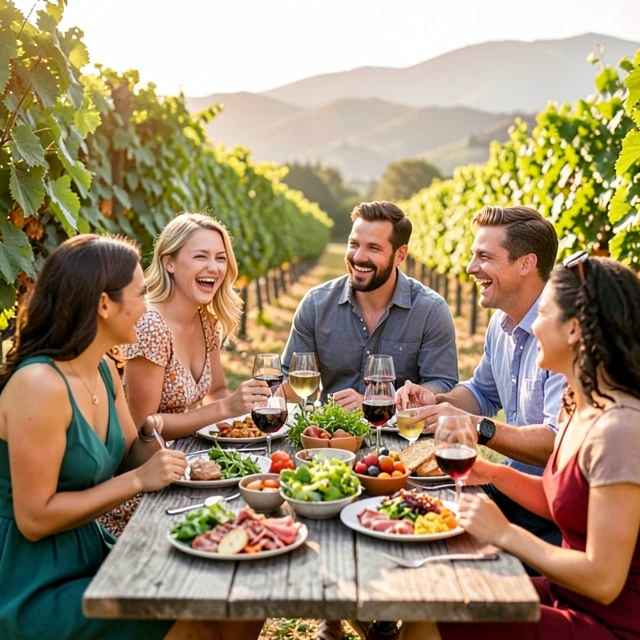
Ready to try? Host a mini tasting. Pick three wines: one white, one red, one sparkler. Grab cheeses, fruits, nuts. Taste solo, then pair.
Note what sings and what flops. My go-to starter: Brie with bubbly—creamy meets crisp pop.
For dinners, plan backward. Choose wine first if it's the star, or food if that's your focus. Apps like Vivino scan labels for suggestions, but trust your tongue most.
Travel ties in perfectly. If California's calling, blend learning with leisure.
Top 10 Wineries to Visit in Napa Valley
Napa isn't just vines—it's experiences. Spottswoode for elegant Cabernets with charcuterie boards. Or Castello di Amorosa, a castle where Italian-style wines meet pizza nights.
Don't miss Sterling Vineyards for aerial tram rides and vistas that inspire sunset pairings. Each spot offers tastings with bites, turning theory into taste.
My favorite? A hidden gem like Frog's Leap, where organic farming yields balanced reds for herb-roasted lamb. These visits demystify pairing—see the grapes, smell the earth, sip the result.
Common Mistakes and How to Dodge Them
We all stumble. Over-oaking a delicate fish? Skip heavy Chards there. Too-sweet wines with savory? Dry it up.
Another: ignoring glassware. Big bowls for reds let aromas bloom; slim flutes keep bubbles in Champagne.
Temperature trips too—warm whites go flat. Chill 'em 30 minutes before. And portions: sip small, eat balanced. No one needs a wine headache.
Laugh off flops. They're your best teachers.
Wrapping It Up: Your Pairing Journey Starts Now
Pairing food and wine boils down to balance, curiosity, and fun. From grasping the science behind wine aromas and flavors to venturing through California's wine regions, you've got tools to create magic at your table.
Start tonight: open a bottle, plate a snack, savor the match. As you explore—maybe even plotting a Napa trip—remember: the perfect pairing is the one that makes you smile.
Cheers to your delicious discoveries!
(Word count: approximately 1520)