The Rise of Sustainable Winemaking: How Solar Power is Leading the Way
Overview:
In recent years, the wine industry has embraced sustainable practices, with solar power playing a pivotal role. This article delves into how solar energy is transforming winemaking, spotlighting the initiatives of Jackson Family Wines and the broader impact on the environment and economy.
Did you know that some of the world’s finest wines are now produced using the power of the sun? Welcome to the future of winemaking, where sustainability meets sophistication. As climate change continues to affect vineyards globally, winemakers are turning to eco-friendly solutions to protect both their craft and the planet. At the forefront of this movement is solar power, a clean and renewable energy source that’s reshaping the wine industry.
The Solar Revolution in Winemaking
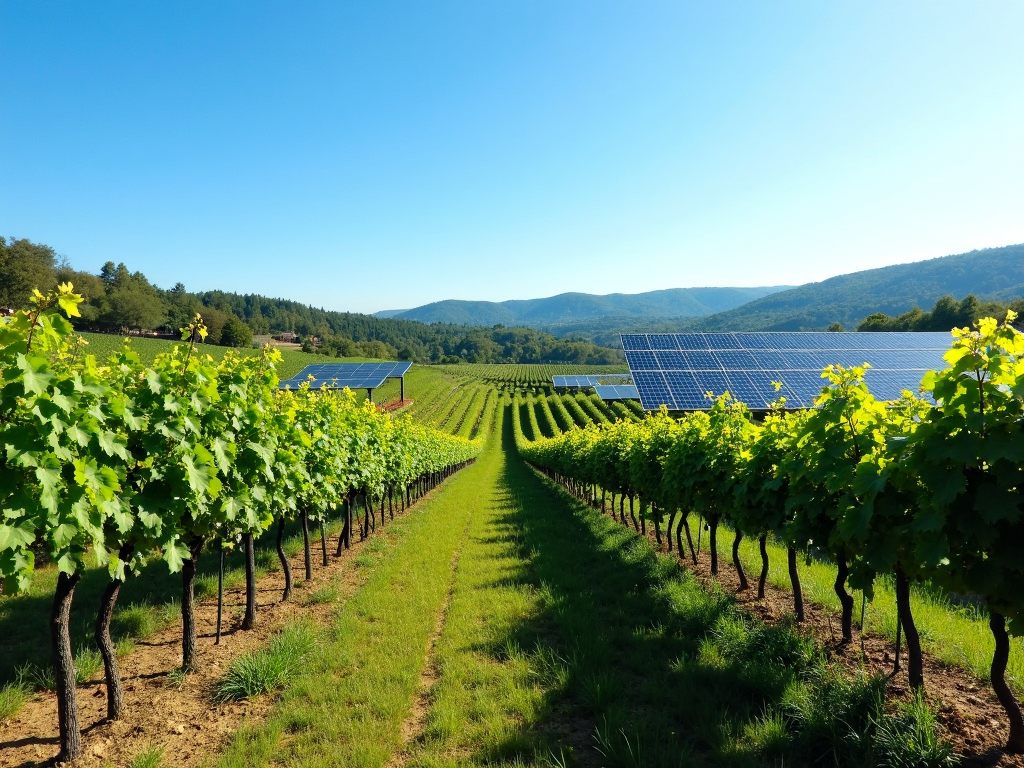
Sustainable winemaking is no longer just a trend—it’s a necessity. With rising temperatures and unpredictable weather patterns threatening grape yields, wineries are adopting innovative practices to reduce their environmental impact. Solar power is leading this charge, offering a way to harness the abundant sunlight that nurtures the vines themselves. By installing solar panels, wineries can power everything from irrigation systems to temperature-controlled cellars, significantly reducing their reliance on fossil fuels.
The rise of sustainable winemaking is evident in the increasing adoption of solar power, which is transforming the wine industry. Wineries that once depended on traditional energy sources are now investing in solar technology to lower their carbon footprint and ensure long-term viability. This shift not only benefits the environment but also appeals to a growing segment of eco-conscious consumers who prioritize sustainability in their purchasing decisions.
Jackson Family Wines: A Case Study
Jackson Family Wines is a pioneer in sustainable winemaking, with solar power being a cornerstone of their environmental initiatives. Across their vineyards, they’ve implemented solar arrays that generate clean energy to power their operations. For example, their winery in Sonoma County features a massive solar installation that offsets a significant portion of their energy needs. This commitment to renewable energy is part of their broader sustainability strategy, which includes water conservation, organic farming, and biodiversity preservation.
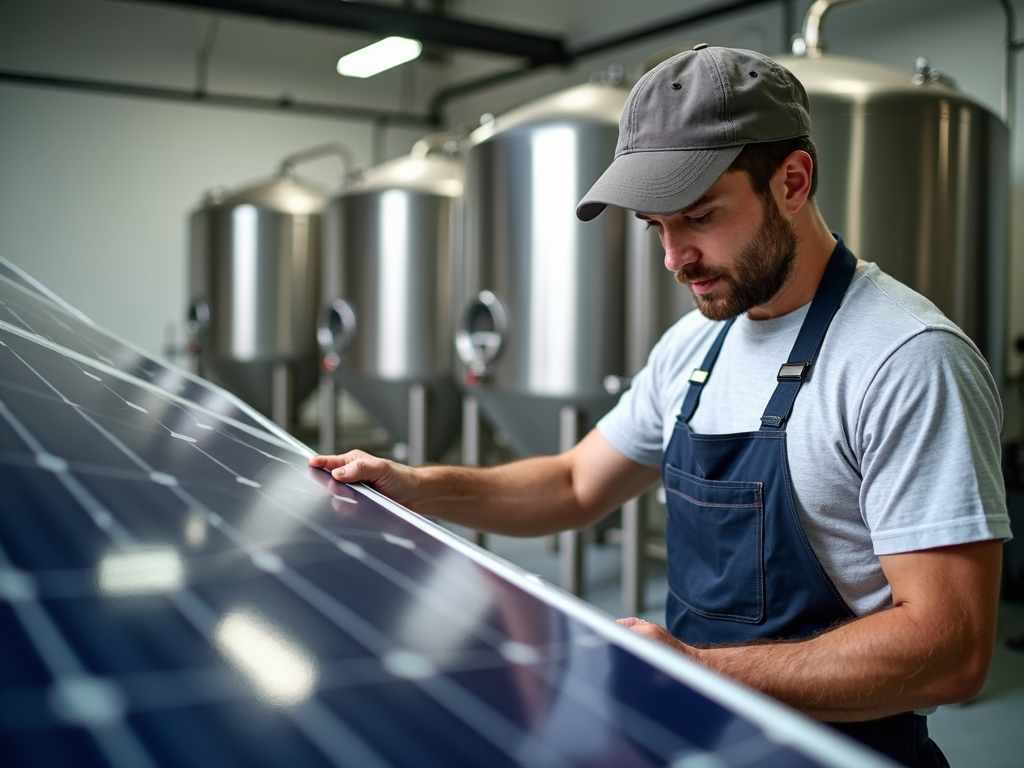
During a visit to one of Jackson Family Wines’ solar-powered wineries, I was struck by how seamlessly renewable energy was integrated into the winemaking process. From powering the crush pad to cooling the fermentation tanks, solar energy was everywhere, yet it blended harmoniously with the natural surroundings. It was a testament to the perfect pairing of solar power and wine—two elements that thrive under the sun.
As sustainability expert Jane Smith from Jackson Family Wines explains, “Solar power allows us to reduce our carbon footprint while maintaining the high quality of our wines. It’s a win-win for both the environment and our business.” This sentiment is echoed by many in the industry who see renewable energy as essential to the future of winemaking.
The Benefits of Going Solar
The advantages of solar power in winemaking are manifold. Environmentally, it reduces greenhouse gas emissions and helps combat climate change. According to a recent study, wineries that switch to solar can reduce their carbon emissions by up to 50%. Economically, while the initial investment in solar panels can be high, the long-term savings on energy costs make it a smart financial decision. Many wineries report that their solar installations pay for themselves within 5 to 10 years.
Moreover, adopting solar power enhances a winery’s reputation. Consumers are increasingly seeking out brands that align with their values, and sustainability is a top priority. By promoting their use of renewable energy, wineries can attract a loyal customer base and differentiate themselves in a competitive market.

Overcoming Challenges
Despite the clear benefits, adopting solar power isn’t without its challenges. The upfront costs can be prohibitive for smaller wineries, and not all locations have the optimal conditions for solar energy production. Additionally, integrating solar technology into existing infrastructure requires careful planning and expertise. However, many wineries find that the long-term advantages outweigh these initial hurdles. Government incentives and financing options are also making solar more accessible to winemakers of all sizes.
Imagine walking through a vineyard where the hum of solar panels blends with the rustling of grape leaves—a testament to the harmony between technology and nature. This is the future that sustainable winemaking promises, and it’s already becoming a reality at forward-thinking wineries like Jackson Family Wines.
Conclusion
Solar power is paving the way for a more sustainable future in winemaking. As pioneers like Jackson Family Wines demonstrate, integrating renewable energy not only benefits the environment but also makes good business sense. By choosing wines from sustainable producers, consumers can support this positive change and enjoy their favorite vintages with a clear conscience. Next time you’re selecting a bottle of wine, look for those produced with the power of the sun—your choice can make a difference.