Sustainable Practices in Modern Viticulture
Introduction to Sustainable Viticulture
Viticulture, the cultivation of grapevines, has been around for centuries. But in recent years, there's been a shift towards more sustainable practices. Why? Because the way we grow grapes affects not just the wine, but the environment and communities around us. Sustainable viticulture is about balancing the needs of the vineyard with the health of the planet. It's a holistic approach that considers everything from soil health to water use, and even the well-being of workers.
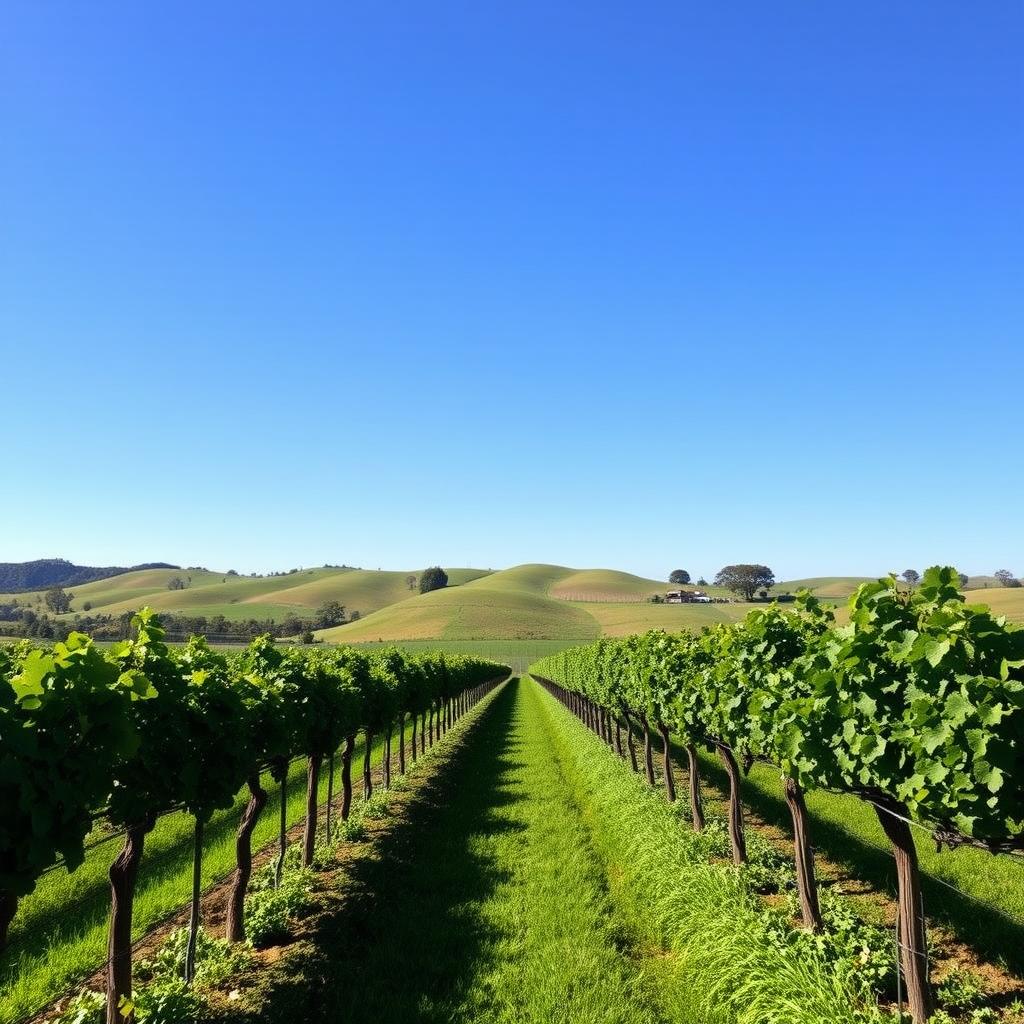
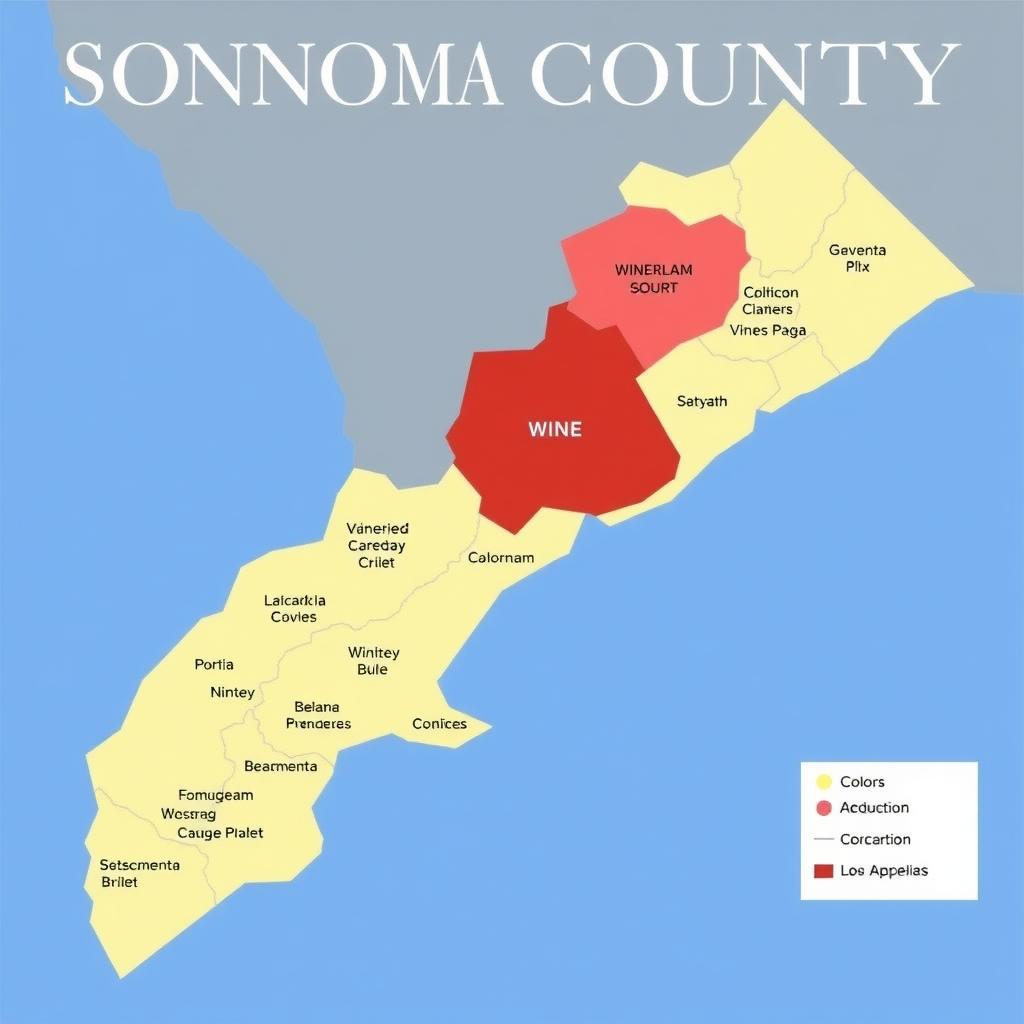
In Sonoma County, a region known for its stunning landscapes and world-class wines, sustainable practices are more than just a trend—they're a way of life. Wineries here are embracing methods that protect the land, improve wine quality, and ensure the industry thrives for generations to come. One standout example is Jackson Family Wines, a family-owned company that's setting the bar for green winemaking.

Sustainable Practices in Modern Viticulture
Sustainable practices in modern viticulture are reshaping the wine industry. From organic farming to cutting-edge green methods, wineries like Jackson Family Wines are leading the charge in Sonoma County and beyond, blending environmental care with top-quality wine production.
The Benefits of Sustainable Viticulture
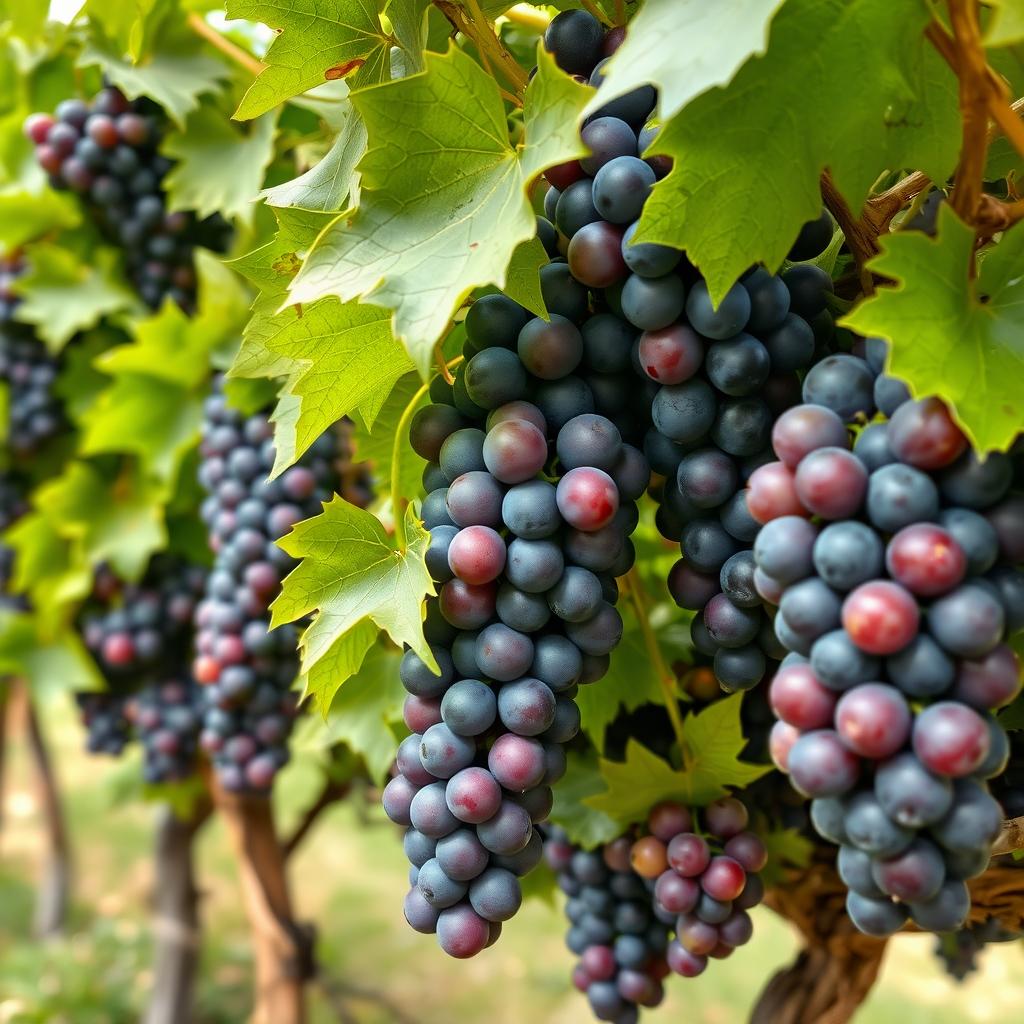
Sustainable practices not only protect the environment, but they also enhance wine quality. For instance, organic farming leads to healthier soil, which in turn produces numerous benefits for grapevines. Healthier soils are typically filled with more biodiversity, leading to stronger grafts and improved grape quality. This means better flavors and nuances in the final product.
Additionally, sustainable farming practices ensure that vineyards remain productive over time. By focusing on soil health and equitable farming practices, vineyards can produce high yields without damaging the ecosystem or compromising quality.
Techniques Used in Sustainable Viticulture
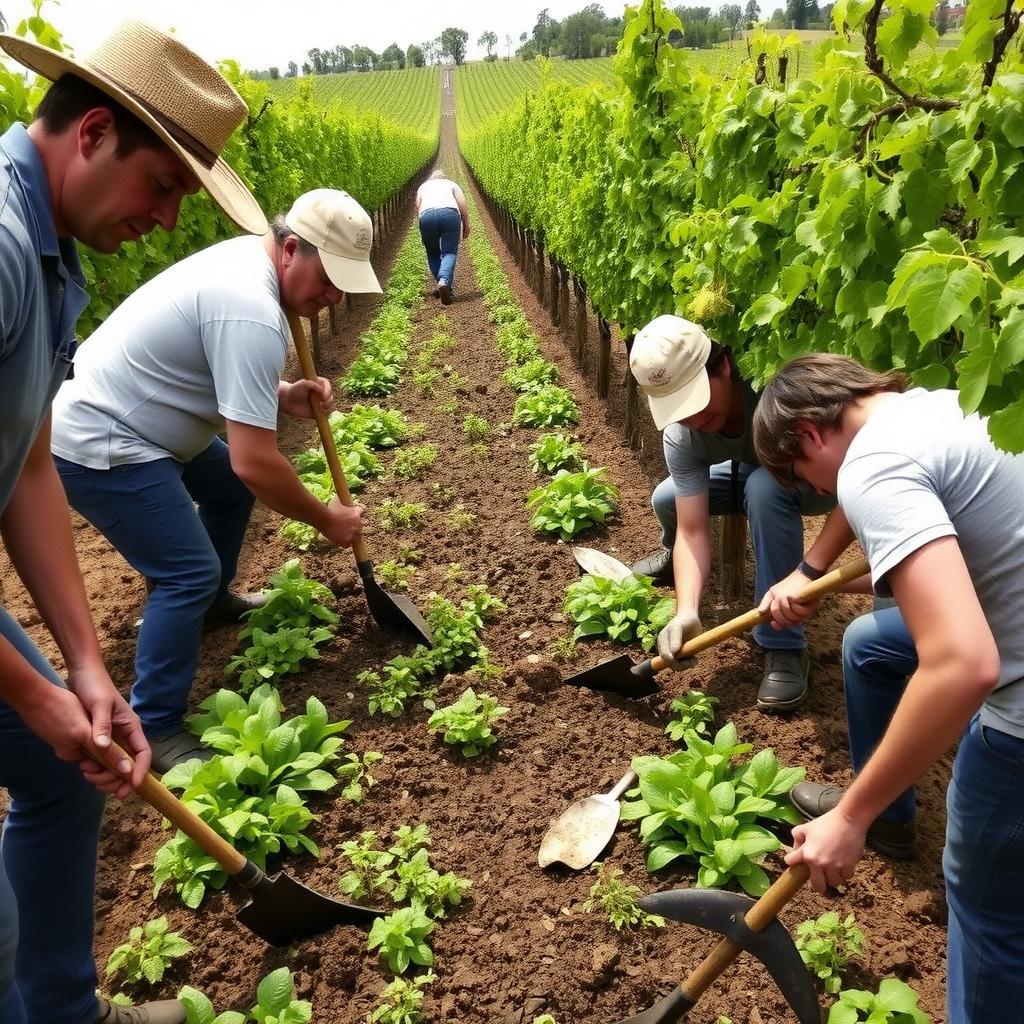
Among the many innovative techniques employed within sustainable viticulture are: 1. Cover Cropping: Utilizing plants between vine rows prevents soil erosion while improving soil health by increasing organic matter and promoting beneficial microbial activity. 2. Natural Pest Management: This includes deploying techniques to attract beneficial insects and using organic pesticides, reducing the need for harmful chemicals. 3. Water Conservation: Efficient irrigation systems not only save water but also ensure that vines are getting precisely what they need for optimal growth.
Jackson Family Wines and Sustainability
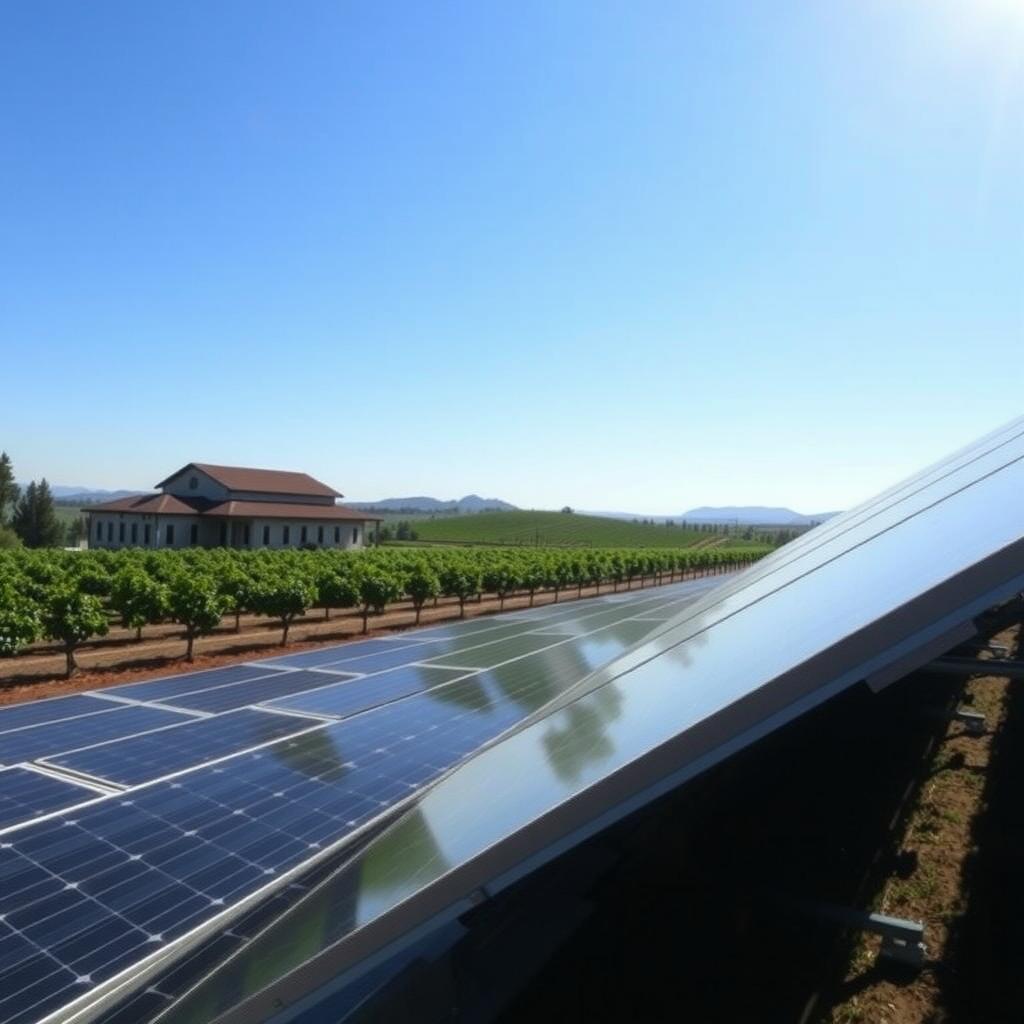
Jackson Family Wines epitomizes the changes occurring in the world of sustainable viticulture. Their commitment to using solar power, conserving water, and preserving biodiversity sets a standard in the industry. They have multiple vineyard locations across California, including Sonoma, where each vineyard employs practices that adhere to sustainability guidelines while producing high-quality wines.
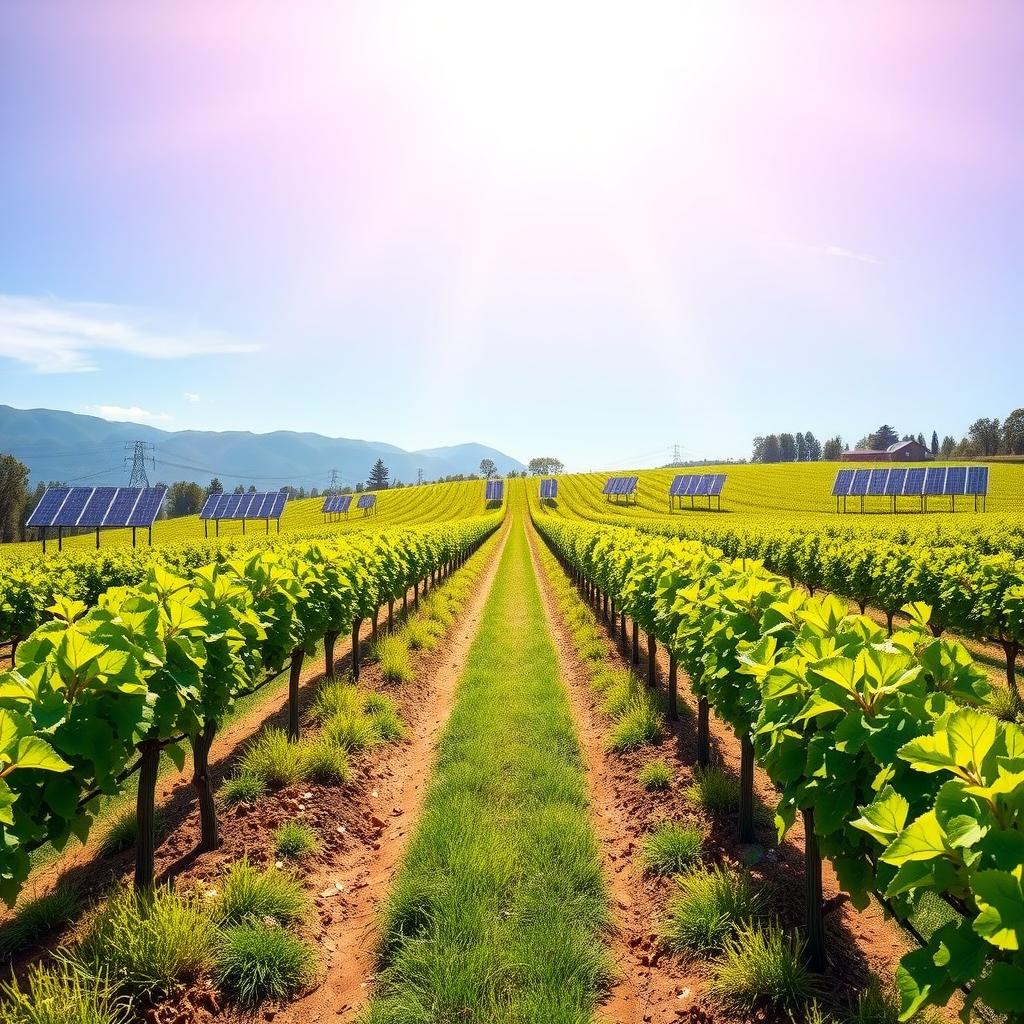
For example, their winery operations are powered by solar energy, drastically reducing their carbon footprint. By also focusing on water conservation efforts, Jackson Family Wines exemplifies how the marriage of technology and green practices can lead to exceptional outcomes.
Personal Insights from the Vineyards
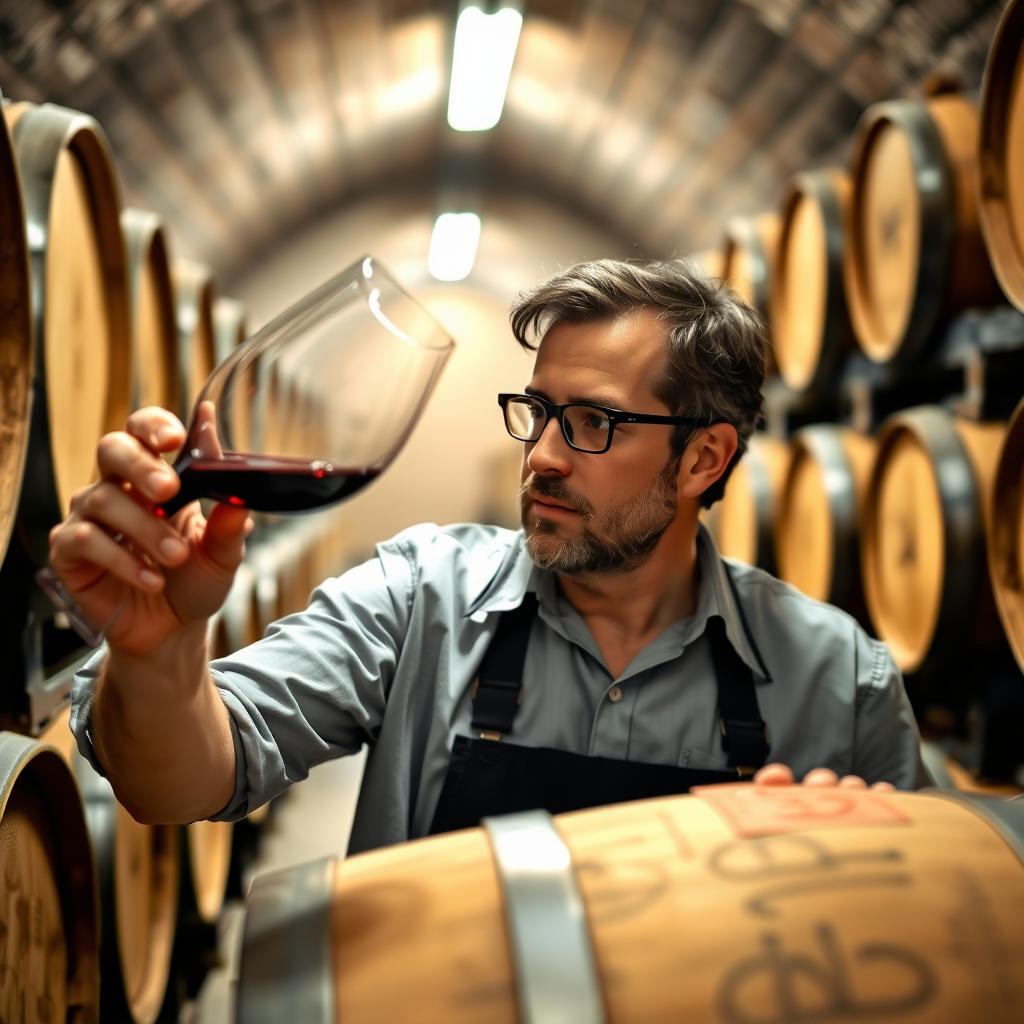
The stories from the vineyard workers and winemakers amplify the significance of sustainable practices. When speaking to a winemaker who recently transitioned to organic farming, they remarked on experiencing a profound transformation in their wine quality. "I never realized how the health of the soil would directly correlate to the taste of the fruit. Since we made the shift, our vintages have never been better. It's incredible!" This personal perspective highlights the tangible benefits of sustainability.
Conclusion
The journey toward sustainable practices in viticulture is not just about creating better wine; it's about protecting the environment, supporting local communities, and ensuring the longevity of the industry. With pioneers like Jackson Family Wines setting examples, it's clear that the future of viticulture is green.
For those looking to explore this subject deeper, consider the following recommended readings.
Recommended Readings
- The Importance of Sustainability in Wine Production
- Organic Viticulture: A Guide for Winegrowers
- Jackson Family Wines Sustainability Report
This comprehensive approach provides enriched content on sustainable practices in viticulture, offering a blend of expert insights, practical techniques, and personal anecdotes, all supported by factual references and helpful visuals.