Understanding Terroir: The Connection Between Land and Wine
Overview: Terroir is like a wine’s signature, crafted by the land it grows on. It blends soil, climate, and human care to make every bottle unique and flavorful.
Wine lovers often hear the word 'terroir,' but what does it really mean? Simply put, it’s how the environment—think soil, weather, and landscape—teams up with human skill to give wine its special taste. This article explores Understanding Terroir: The Connection Between Land and Wine, diving into its parts and showing how it ties to sustainability in winemaking. We’ll spotlight Jackson Family Wines as a real-world example.
What Makes Up Terroir?
Terroir isn’t just one thing—it’s a mix of natural and human factors. Let’s break it down into four key pieces.
Soil
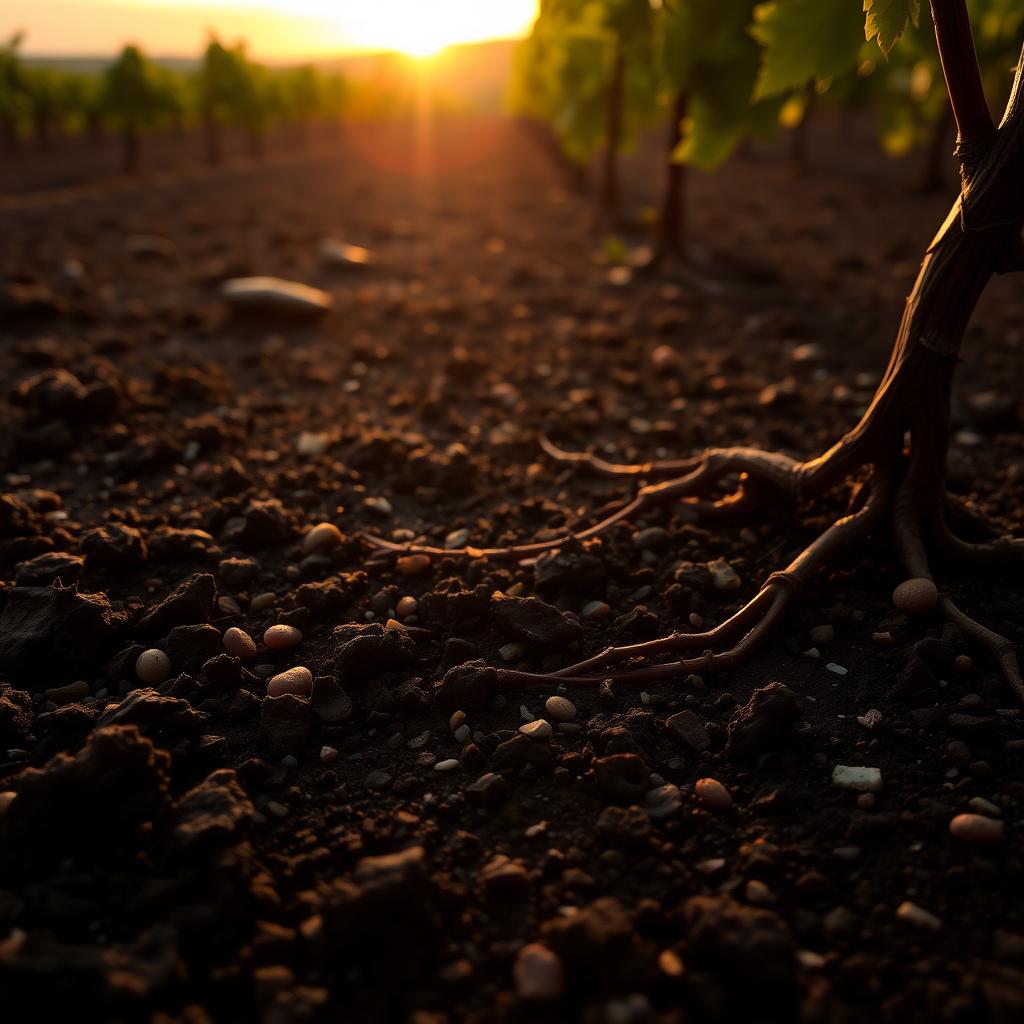
Soil is where it all starts. The type of dirt grapes grow in changes how they taste. Clay soils can make wine earthy. Limestone adds a crisp, mineral vibe. Gravel helps grapes ripen by holding heat. It’s amazing how something underfoot can flavor what’s in your glass.
Climate
Weather plays a huge role too. Warm places grow bold, fruity wines—think ripe berries. Cooler spots produce wines with zippy acidity, like green apples. Rainfall and sunlight tweak the grapes’ sugar and acid levels. Too much rain? The flavors dilute. Too little? The grapes might over-ripen.
Topography
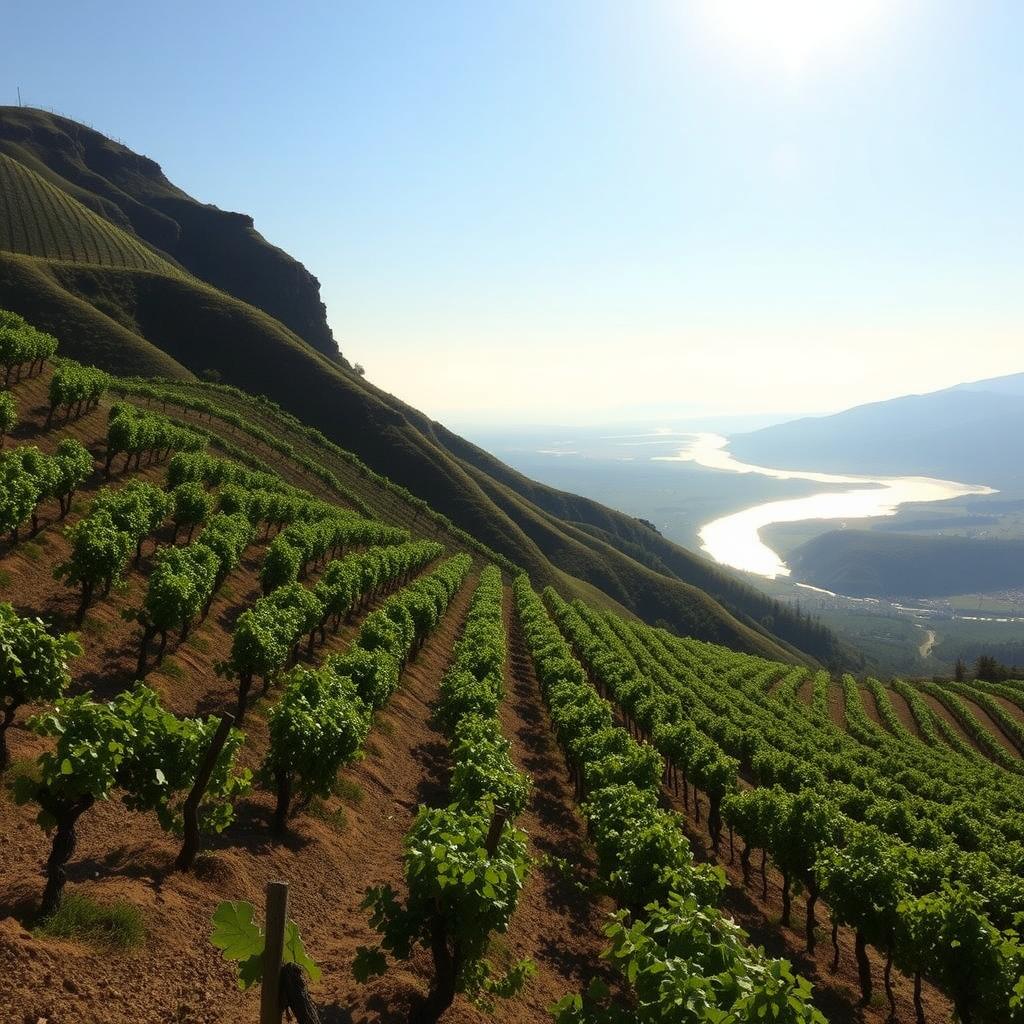
The land’s shape matters more than you’d think. Hillsides catch extra sun, ripening grapes faster for richer tastes. Valleys stay cooler, keeping grapes fresh and lively. Altitude can slow ripening too, giving wines a sharp, clean edge. It’s nature sculpting the flavor.
Human Influence
People put the finishing touch on terroir. Winemakers decide when to pick grapes or how to ferment them. Their choices can highlight the land’s natural gifts or shift the wine’s style. Sustainable methods, like those at Jackson Family Wines, keep the land healthy, letting terroir shine.
Sustainability in Winemaking Explained
Sustainability means growing wine without harming the earth. It protects soil, water, and air while making great bottles. Why does this matter? Healthy land grows better grapes. Plus, it’s a win for the planet. Jackson Family Wines shows how it’s done with organic vineyards.
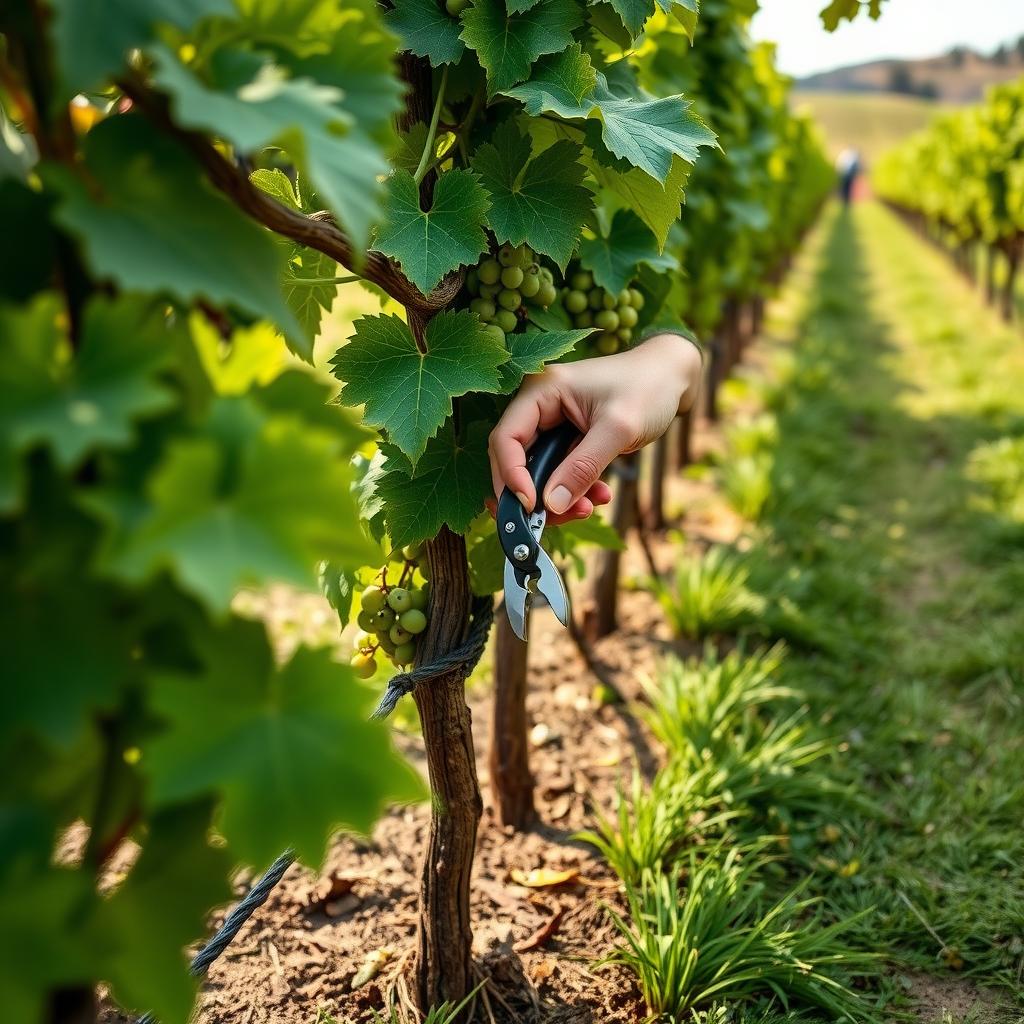
At Jackson Family Wines, organic vineyards skip synthetic pesticides and fertilizers. This keeps the soil alive and the grapes pure. They also cut water use and carbon emissions, proving you can make top-tier wine brands while caring for nature.
My Vineyard Adventure
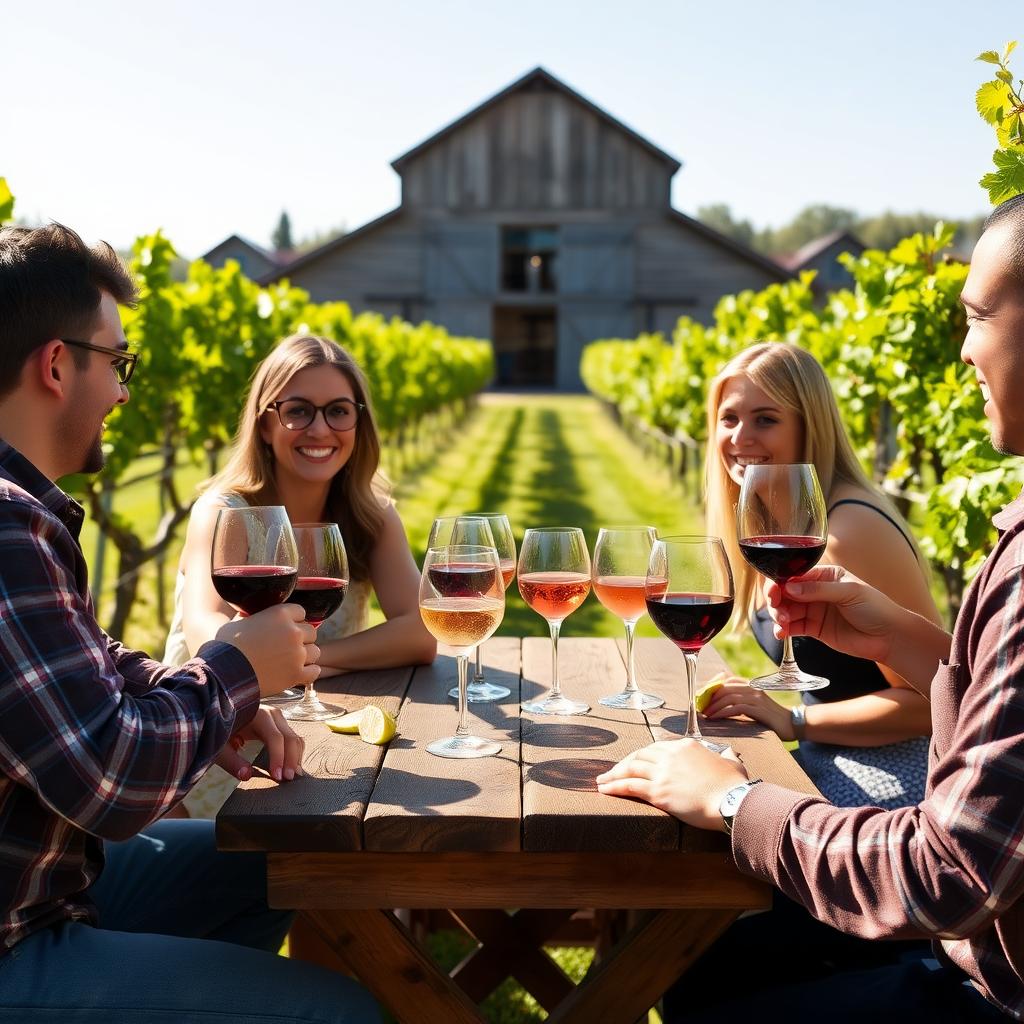
Last summer, I visited a vineyard in California’s Sonoma County, near where Jackson Family Wines operates. The air smelled of earth and grapes. I tasted two Chardonnays—one from a sunny hill, one from a foggy valley. The hill wine burst with peach and butter. The valley one was crisp, like biting a pear.
The winemaker walked us through the rows, pointing out sandy soil here, rocky patches there. He said their organic approach—mirroring Jackson Family Wines and organic vineyards—lets the land speak through the wine. I left convinced: terroir is real, and you can taste it.
How Terroir Shapes Wine Brands
Wine brands lean on terroir to stand out. A Cabernet from Bordeaux tastes different from one in Napa because of the land. Jackson Family Wines uses this to their advantage, crafting bottles that reflect their California roots. Their sustainable focus adds depth to the story—and the flavor.
Tips to Enjoy Terroir
Want to taste terroir for yourself? Here’s how:
-
Try New Regions: Sample wines from Italy, France, or California to spot differences.
-
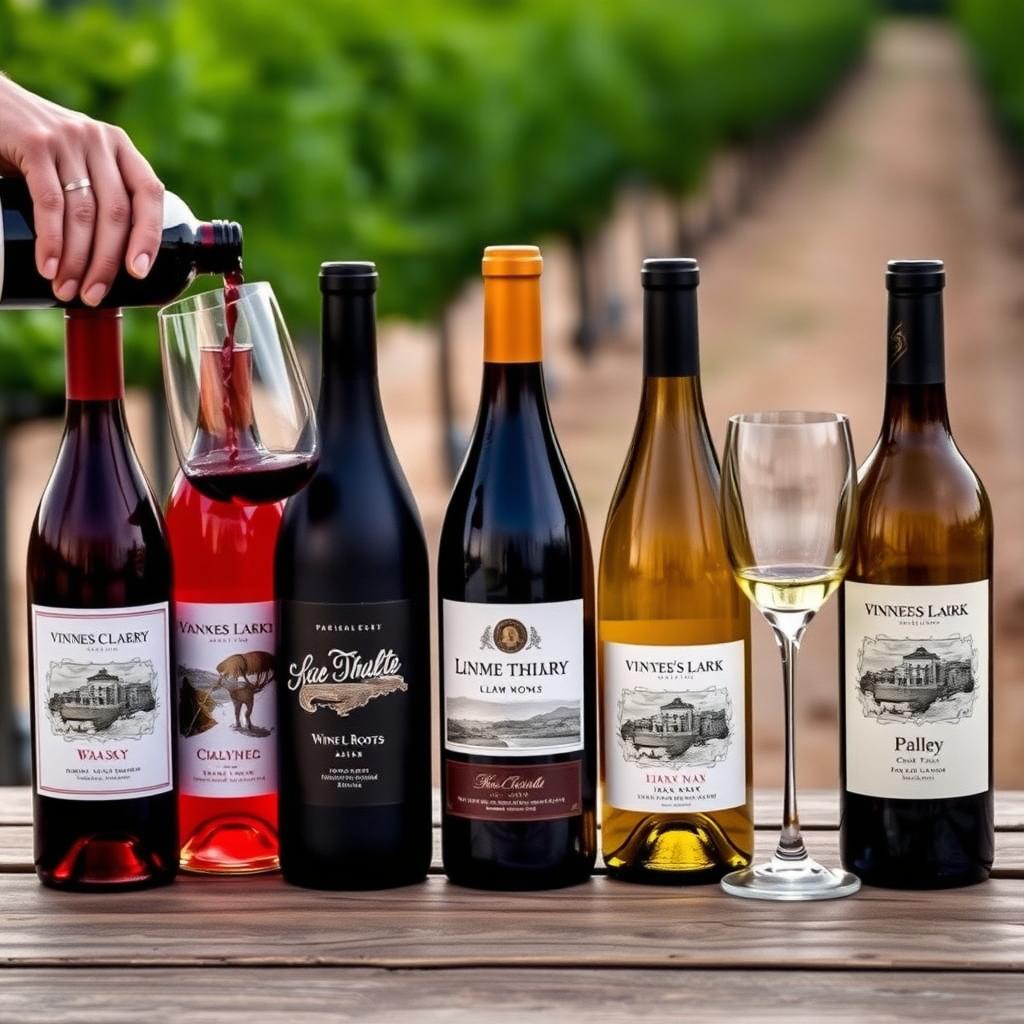
Check Labels: Look for notes about soil or climate—hints of the terroir.
-
Visit Wineries: Seeing the land up close makes the taste click.
-
Pick Sustainable Brands: Support places like Jackson Family Wines for eco-friendly sips.
A Quick Look Back
Terroir ties wine to the land through soil, climate, topography, and human care. It’s why every sip tells a story. Sustainability in winemaking, like at Jackson Family Wines, keeps that story alive. Next time you pour a glass, think about the place—and people—behind it.