The Role of Terroir in Wine Production
Terroir is a fundamental concept in wine production, encompassing the unique environmental factors that shape the character of grapes and, ultimately, the wine. From soil composition to climate, each element of terroir imparts distinct flavors and aromas, making wines from different regions truly unique. This article explores the role of terroir in wine production, delving into the science behind wine aromas and flavors, and examining the diverse wine regions of California, with a special focus on Jackson Family Wines.
Understanding Terroir
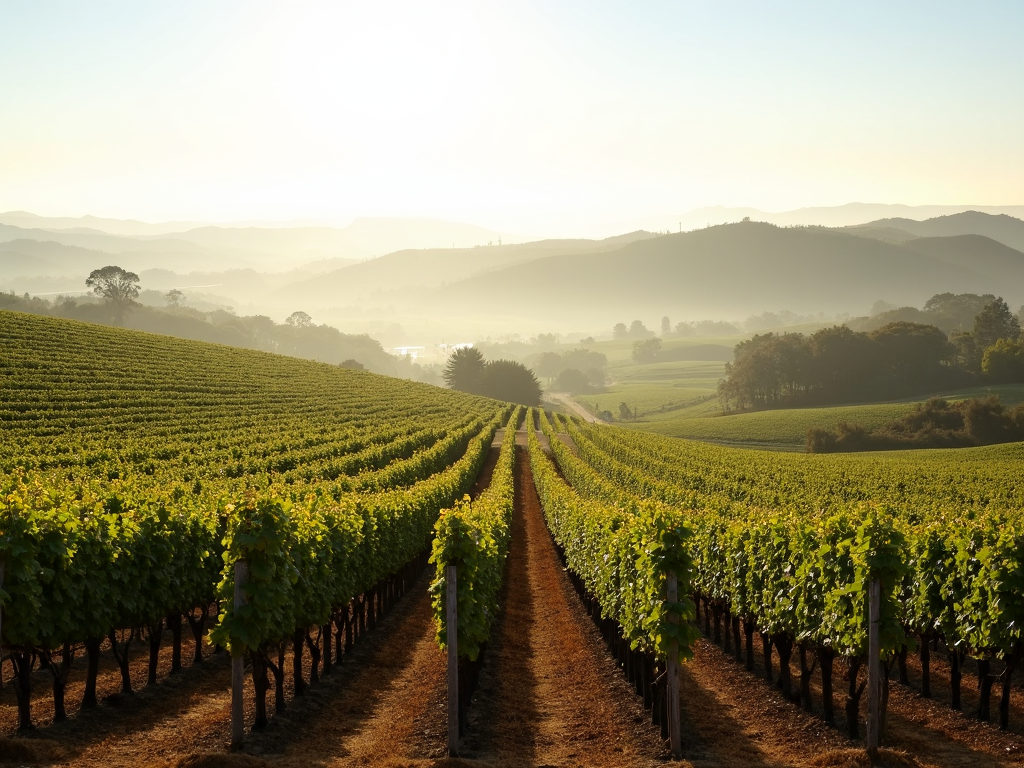
Terroir is more than just a buzzword in the wine industry; it's the foundation upon which great wines are built. The term, derived from the French word for "land," refers to the complete natural environment in which a particular wine is produced, including factors such as soil, climate, topography, and even the microorganisms present in the vineyard. Each of these elements plays a crucial role in shaping the grapes' characteristics, which in turn influence the final product's flavor, aroma, and overall quality.
The Science Behind Wine Aromas and Flavors
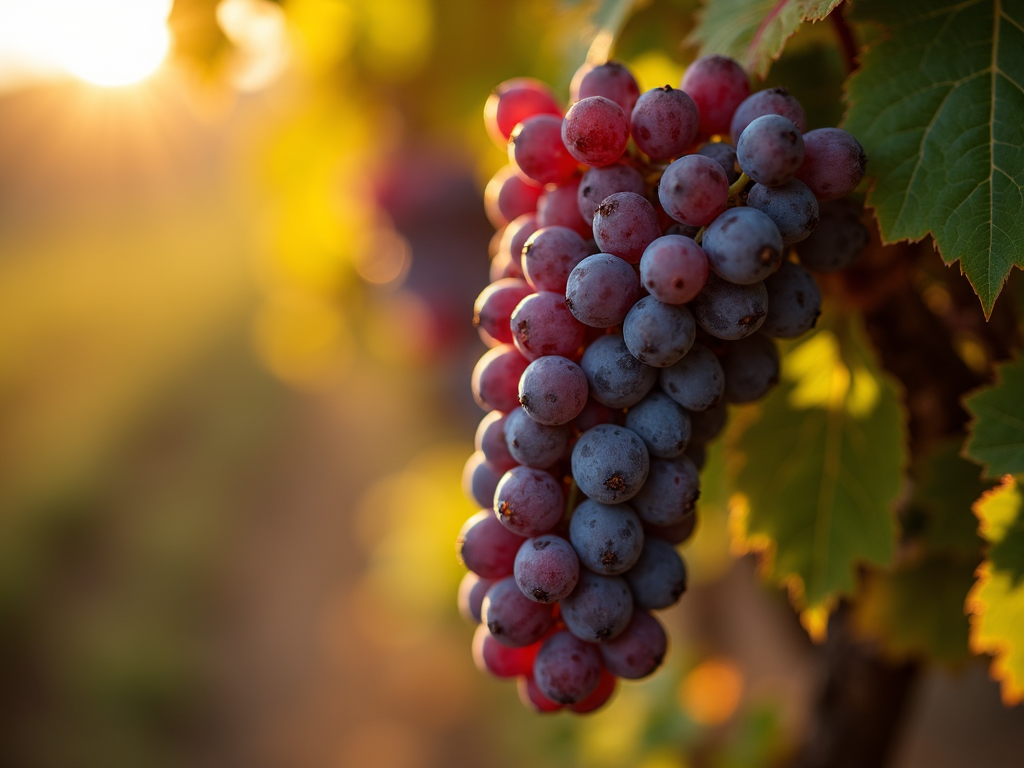
Wine aromas and flavors are the result of a complex interplay between the grape variety, the winemaking process, and, most importantly, the terroir. The soil in which the vines are planted, for example, can impart specific mineral notes to the wine. Climate, on the other hand, affects the grapes' sugar and acid levels, which in turn influence the wine's body and structure. Topography, such as the slope of the vineyard, can impact drainage and sun exposure, further shaping the grapes' development.
One of the most fascinating aspects of terroir is its influence on the wine's aromatic profile. For instance, wines from cooler climates often exhibit more delicate, floral aromas, while those from warmer regions tend to have bolder, fruitier notes. Additionally, the microorganisms present in the vineyard, such as yeasts and bacteria, can contribute to the wine's unique flavor profile through fermentation.
Exploring the Wine Regions of California
California is home to some of the world's most renowned wine regions, each with its own distinct terroir. From the cool, coastal vineyards of Sonoma County to the warm, inland valleys of Napa, the state's diverse geography and climate create a wide range of growing conditions, resulting in a rich variety of wines.
-
Sonoma County: Known for its cool, foggy mornings and warm, sunny afternoons, Sonoma County is ideal for growing Pinot Noir and Chardonnay. The region's diverse soils, ranging from sandy loam to clay, contribute to the complexity of its wines.
-
Napa Valley: With its warm, Mediterranean climate and well-drained soils, Napa Valley is famous for its bold, full-bodied Cabernet Sauvignon. The region's unique topography, including the Mayacamas and Vaca mountain ranges, provides a variety of microclimates that allow for the production of a wide range of wine styles.
-
Central Coast: Stretching from San Francisco to Santa Barbara, the Central Coast is known for its diverse terroirs and innovative winemaking. The region's cool, coastal influences and varied soils make it an ideal location for growing a variety of grape varieties, including Syrah, Grenache, and Viognier.
Jackson Family Wines: A Case Study in Terroir
Jackson Family Wines, a renowned winery with vineyards across California, is a prime example of how terroir can shape the character of a wine. With a commitment to sustainable farming and a deep understanding of the land, the winery produces a range of wines that reflect the unique terroirs of their vineyards.
-
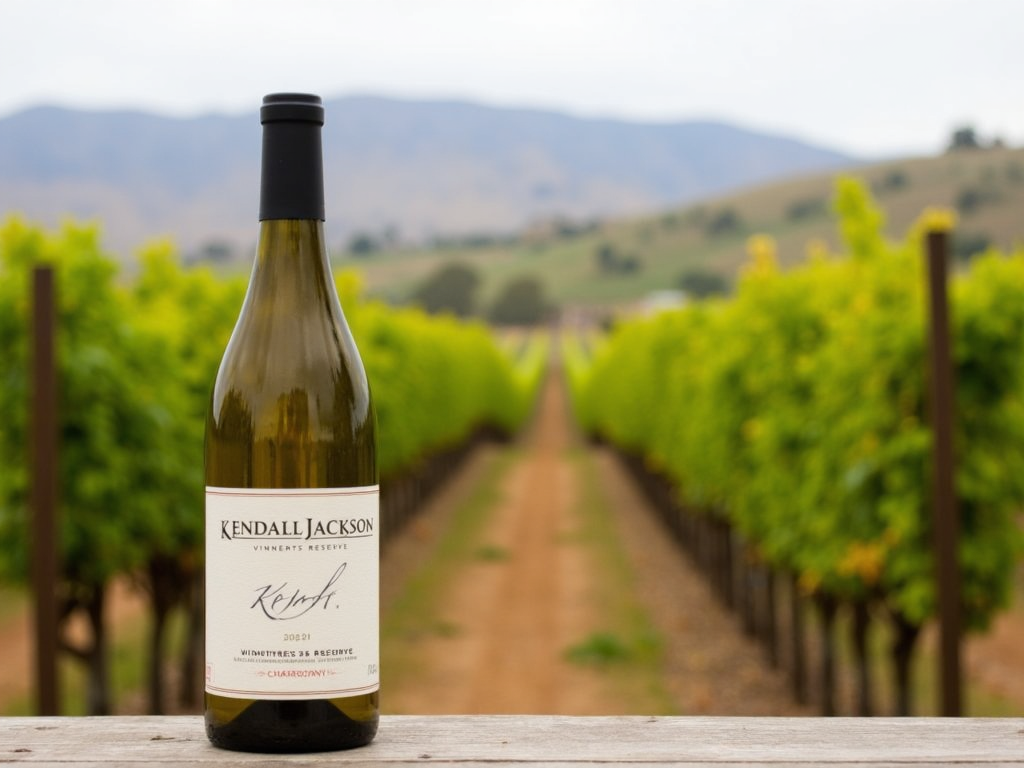
Kendall-Jackson Vintner's Reserve Chardonnay: Sourced from vineyards in Monterey County, this Chardonnay showcases the cool, coastal influences of the region, with notes of green apple, citrus, and a hint of minerality.
-
La Crema Sonoma Coast Pinot Noir: Grown in the cool, foggy vineyards of Sonoma County, this Pinot Noir exhibits the classic characteristics of the region, with flavors of red cherry, raspberry, and a subtle earthiness.
-
Stonestreet Estate Cabernet Sauvignon: Hailing from the mountain vineyards of Alexander Valley, this Cabernet Sauvignon reflects the warm, sunny days and cool nights of the region, with bold flavors of blackberry, cassis, and a touch of spice.
Conclusion
Terroir is the heartbeat of wine production, infusing each bottle with the essence of its origin. From the soil beneath the vines to the climate that nurtures them, every element of terroir contributes to the unique character of a wine. By understanding and appreciating the role of terroir, we can deepen our connection to the wines we enjoy and gain a greater appreciation for the artistry and science behind winemaking.