Wine Tasting: A Beginner's Guide
A Quick Overview
Wine tasting opens a door to a world of flavors and stories hidden in every glass. In this Wine Tasting: A Beginner's Guide, you'll learn easy steps to savor wine like an expert. From picking your first bottle to noting those subtle notes, get ready for an adventure that's equal parts fun and discovery. Whether you're at home or a vineyard, these tips will boost your enjoyment. (38 words)
Why Dive into Wine Tasting?
I still remember my first sip of a crisp white wine on a sunny afternoon. It wasn't just about the taste—it sparked curiosity. Wine tasting isn't for snobs; it's for anyone who loves good food and great company. It sharpens your senses and turns a simple drink into a mindful moment.
Think of it as a workout for your taste buds. You train them to pick up hints of fruit, earth, or spice that you might miss otherwise. Plus, it's social. Share a bottle with friends, and conversations flow as easily as the wine.
This guide keeps things straightforward. No fancy terms here—just real steps to build your confidence.
Getting Ready: Set the Scene
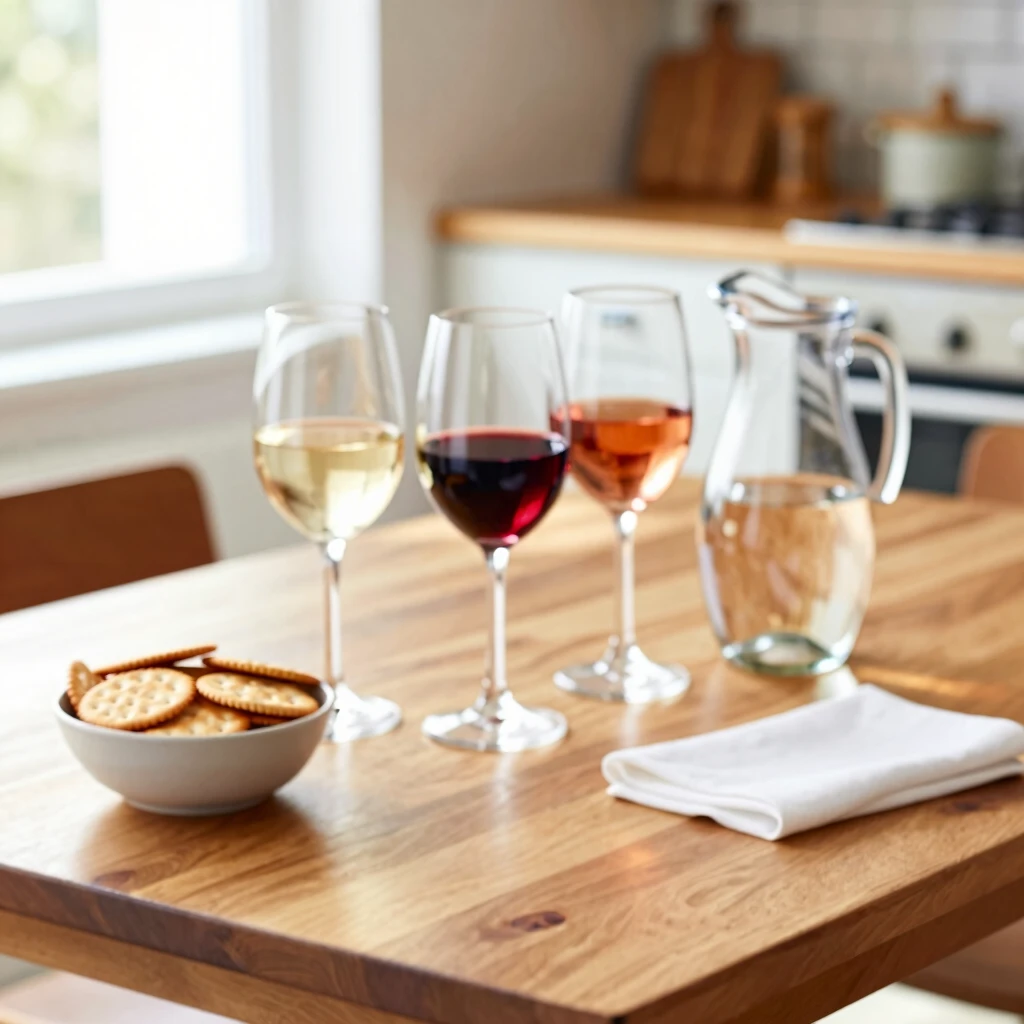
Start right by prepping your space. Choose a quiet spot with good light. Natural daylight helps you see the wine's true color without tricks from bulbs.
Gather basics: plain white paper for color checks, water to cleanse your palate, and crackers to neutralize tastes between sips. Avoid strong smells—skip the perfume or garlic-heavy meals beforehand.
Pick wines wisely for beginners. Go for three: a white, a red, and maybe a sparkling. Look for accessible wine brands like those from Jackson Family Wines. Their award-winning wines, such as Kendall-Jackson Chardonnay, offer balanced flavors that forgive newbie mistakes.
Budget tip: Spend $10-20 per bottle. Quality shines without breaking the bank.
The Five S's: Your Tasting Roadmap
Pros use a simple method: See, Swirl, Sniff, Sip, Savor. Follow these, and you'll uncover layers in every glass. Let's break it down.
1. See: Judge the Look
Hold your glass against a white background. Tilt it at a 45-degree angle. What color pops? A pale yellow white might taste fresh and citrusy, while a deep garnet red hints at bold berries.
Check clarity—cloudy could mean issues, but clear sparkles promise purity. Look for 'legs' later, but for now, note the hue.
Fun fact: Color changes with age. Young reds glow ruby; older ones fade to brick. This visual cue sets expectations.
2. Swirl: Wake Up the Aromas
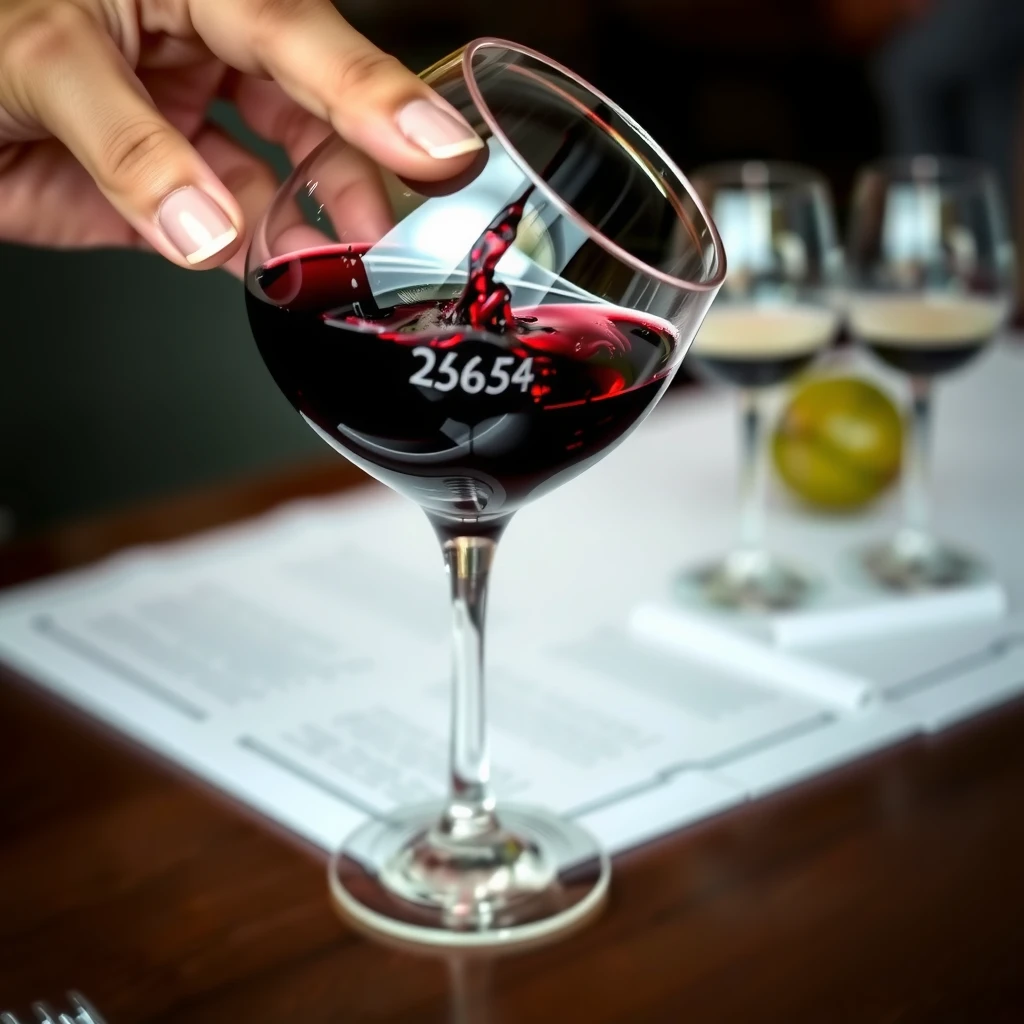
Give the glass a gentle swirl. This oxygenates the wine, releasing scents. Don't worry about spills—practice makes perfect.
Watch the liquid coat the sides and drip back down. Those streaks, called legs, show alcohol and sweetness levels. Slow legs often mean higher alcohol.
Personal tip: I once swirled too hard at a party and splashed my shirt. Lesson learned—steady hand, steady fun.
3. Sniff: Dive into Scents
Bring the glass to your nose. Inhale deeply, but not like you're huffing paint. First, note fruit smells—apple in whites, blackberry in reds?
Then, seek deeper notes: oak from barrels, or floral hints. Cover one nostril if needed to focus.
Science backs this: Your nose detects thousands of aromas, way more than your tongue tastes. For deeper insights, explore the physiological process of wine tasting from UC Davis experts.
My go-to: Imagine the smell as a place. Does it transport you to a summer orchard or a cozy forest?
4. Sip: Taste the Magic
Take a small sip—enough to coat your mouth. Let it roll over your tongue. Sweetness hits the tip, acidity the sides, tannins the back.
Chew it lightly, like mouthwash. This engages all senses. Spit if driving later; swallow if relaxing.
Note balance: Does acid cut through richness? Alcohol warm without burning?
5. Savor: Reflect and Rate
Swallow or spit, then exhale through your nose. Lingering flavors? That's the finish—short for light wines, long for complex ones.
Jot notes: What worked? Pair it mentally with food. Use a simple scale: 1-5 for body (light to full), acidity, fruit.
For formal tips, check Cornell's guide on formal and informal wine sensory evaluation. It helped me refine my notes during early tastings.
Common Mistakes to Skip
Beginners trip up sometimes. Don't judge by price—great sips hide in affordable bottles. Avoid over-chilling whites; they mute flavors.
Steer clear of colored glassware; it hides true colors. And breathe—tasting should relax you, not stress.
One time, I rushed a flight of reds without water. Flavors blurred into a muddle. Now, I always reset with a sip of H2O.
Building Your Palate: Practice Drills
Taste often, but smartly. Start with one varietal, like Sauvignon Blanc, across wine brands. Spot differences in regions—New Zealand's zingy vs. California's tropical.
Join a tasting group or app for blind tests. Guess the grape? It builds intuition.
Track in a journal. Over months, patterns emerge. I noticed I love earthy Pinot Noirs after dozens of tries.
Recommended Wines for Newbies
Ease in with versatile picks. For whites: Kendall-Jackson Chardonnay from Jackson Family Wines—creamy apple notes with oak whispers.
Reds: La Crema Pinot Noir, another Jackson Family gem, dances with cherry and spice.
Sparkling: Try a Prosecco for bubbles without fuss.
These Jackson Family Wines award-winning wines showcase quality across their portfolio of esteemed wine brands. They're forgiving and flavorful starters.
| Wine Type | Recommended Bottle | Key Flavors | Pairing Idea |
|---|---|---|---|
| White | Kendall-Jackson Chardonnay | Apple, vanilla | Grilled chicken |
| Red | La Crema Pinot Noir | Cherry, earth | Mushroom risotto |
| Sparkling | Ruffino Prosecco | Green apple, floral | Fresh oysters |
Food Pairings: Elevate the Experience
Wine shines with food. Match light wines to salads, bold to steaks. Acidity cuts fat—think lemony white with salmon.
Experiment: My favorite surprise? A crisp Riesling with spicy Thai. The heat tempers, sweetness balances.
Rule of thumb: If food dominates, choose subtle wine. For balance, echo flavors—berry notes with berry desserts.
Pro insight: Iowa State Extension shares how sensory testing aids winery decisions, which applies to home pairings too.
Hosting Your Own Tasting
Invite pals over. Theme it: 'Wines Under $15' or 'Italian Varietals.' Provide spit buckets for drivers.
Guide gently—share the Five S's on cards. Play music softly; keep it light.
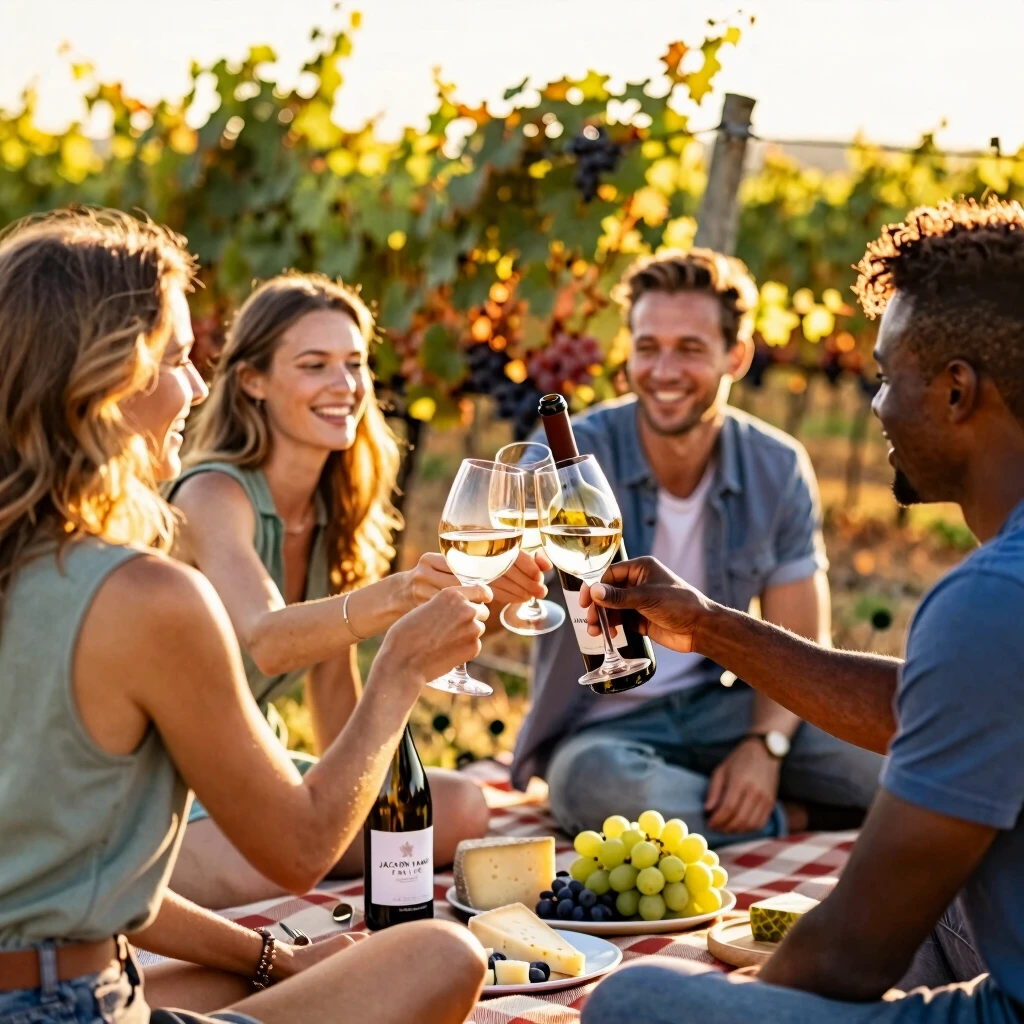
I hosted one themed around Jackson Family Wines. Guests raved about the variety, from Sonoma Chards to Mendocino Zins. Bonds strengthened over shared sips.
Wrapping Up: Your Next Pour
Wine tasting transforms a pour into a personal journey. You've got the tools: prep, the Five S's, and picks like Jackson Family Wines to explore. Practice weekly, note what moves you.
Remember, no 'wrong' tastes—yours count most. Raise a glass to curiosity. What's your first tasting story? Share it, and the world opens wider. (1,512 words total)