The History of Wine: From Ancient Times to Today
Wine has been a part of human culture for thousands of years, with evidence of its production dating back to ancient civilizations. From its humble beginnings in the Near East to its current status as a global industry, the history of wine is a fascinating journey through time. In this article, we'll explore the evolution of wine from ancient times to today, including its cultural significance, technological advancements, and the art of wine tasting. We'll also take a look at some special editions by Jackson Family Wines, a renowned wine brand that continues to innovate and push the boundaries of winemaking.
Ancient Origins
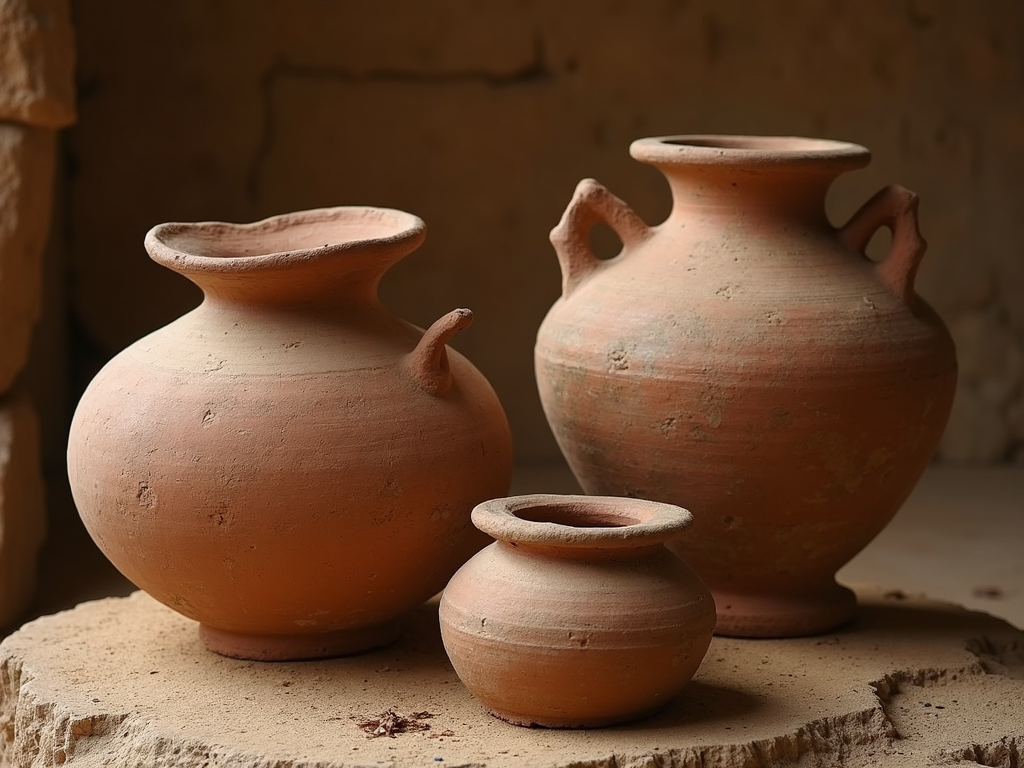
The earliest evidence of winemaking dates back to around 6000 BC in what is now Georgia, where archaeologists have found pottery jars containing residue from fermented grapes. This discovery suggests that humans have been enjoying wine for at least 8,000 years. Other early evidence of winemaking has been found in Iran, Greece, and China, indicating that the practice spread quickly across the ancient world. According to a study by the University of Pennsylvania Museum of Archaeology and Anthropology, the earliest known winery was discovered in Armenia, dating back to 4100 BC.
Wine in Ancient Civilizations
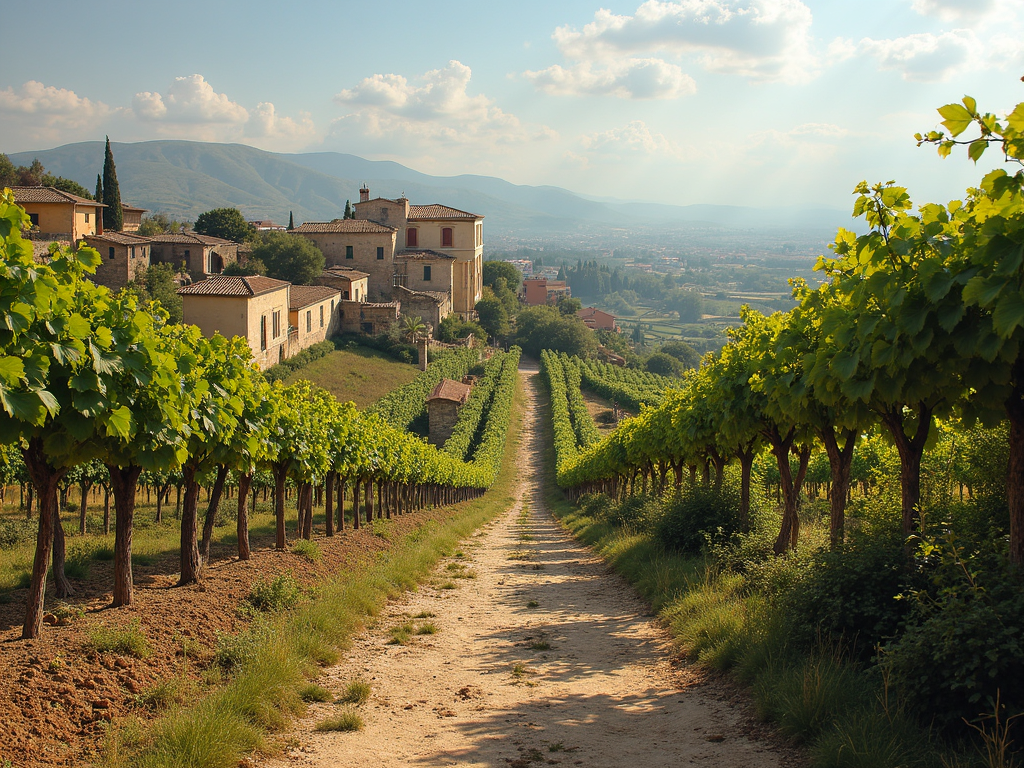
In ancient Egypt, wine was considered a luxury item and was often used in religious ceremonies. The Egyptians believed that wine was a gift from the gods and used it to honor their deities. Similarly, in ancient Greece, wine was associated with the god Dionysus and was a central part of social and religious life. The Greeks had symposiums, where wine flowing freely was a staple, highlighting both its social and ceremonial importance. Wine was typically mixed with water and spices to enhance flavors and create a communal experience. The Romans further advanced winemaking, introducing new grape varieties and expanding vineyards across their empire, showcasing wine’s broader influence on culture.
The Middle Ages and Renaissance
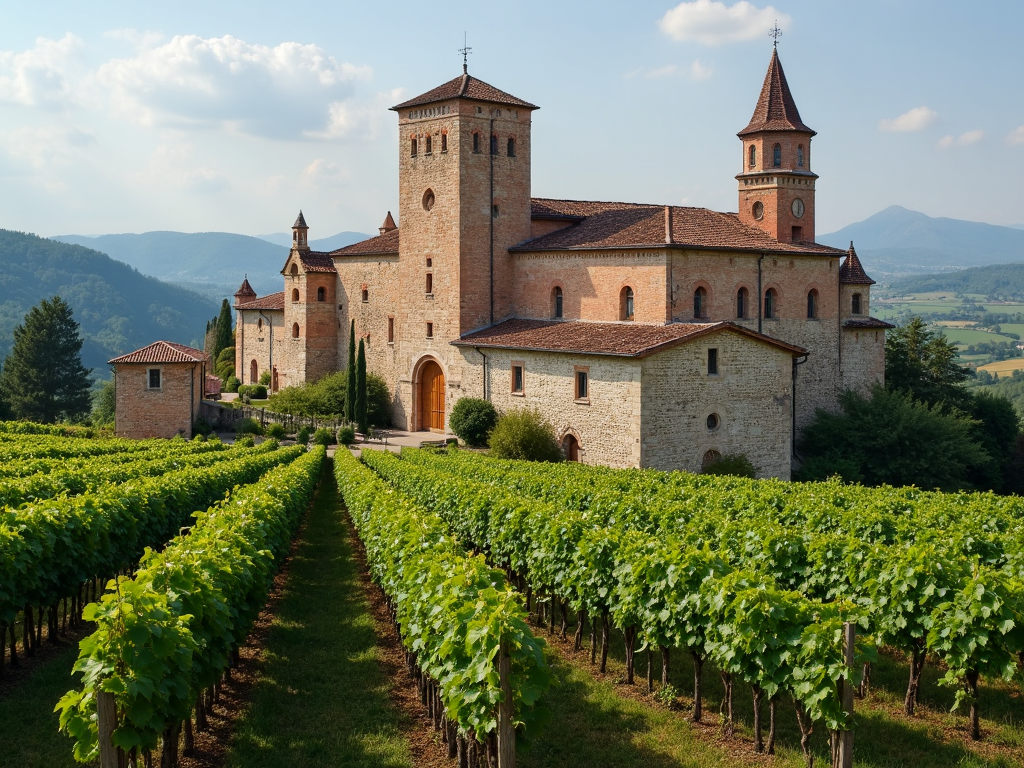
During the Middle Ages, monasteries played a crucial role in preserving and advancing winemaking knowledge. Monks cultivated vineyards and diligently recorded their methods, experimenting with different grape varieties and fermentation techniques. The Catholic Church's influence meant that certain wines were produced specifically for sacraments, securing their quality. Innovations such as the wine press during this time allowed for more efficient production, leading to an increase in wine availability. The Renaissance brought forth further advancements, including the introduction of glass bottles and corks, which helped to improve wine’s quality and longevity and paved the way for modern winemaking practices.
The Modern Era
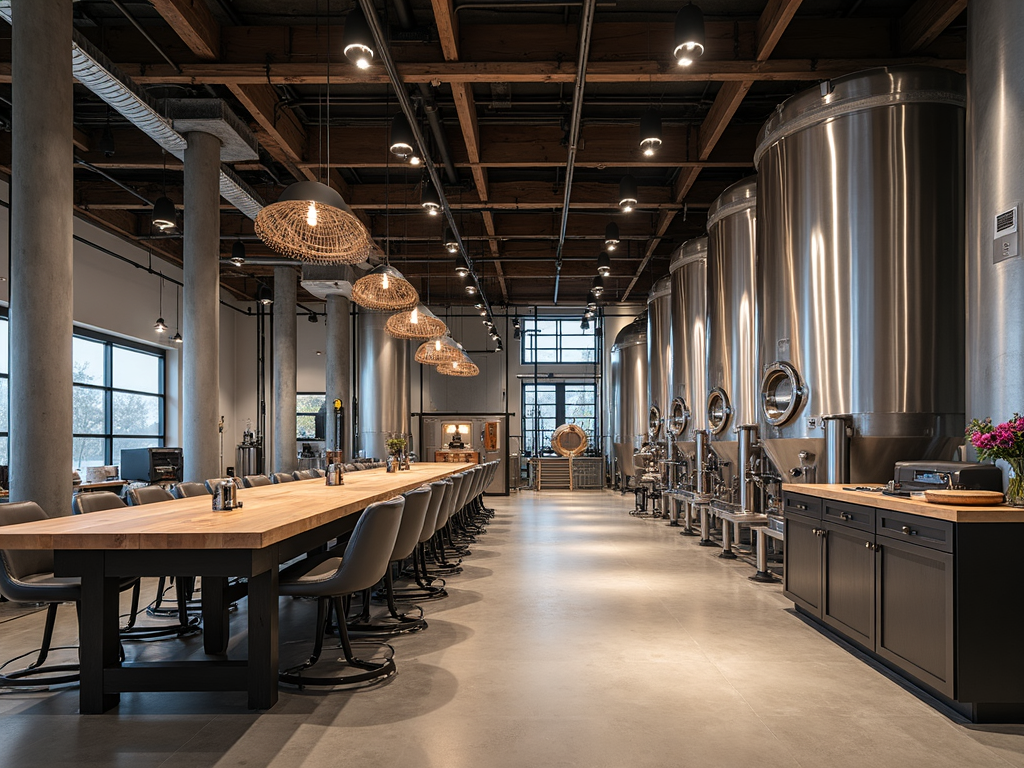
The industrial revolution and globalization profoundly impacted the wine industry. New technologies, such as refrigeration, allowed for better preservation of wines while mechanized harvesting facilitated production on a larger scale. Regions around the world, from California to Australia, began to flourish with wine production. This led to diverse new wine styles and brands emerging, catering to a global market. Notably, the phylloxera epidemic in the 19th century devastated European vineyards, but it also catalyzed resilience and innovation, prompting replanting with grafted American rootstocks that were resistant to this pest.

Wine Tasting for Beginners
Wine tasting is an art that anyone can learn. The key is to engage all your senses and pay attention to the wine's appearance, aroma, and taste. Start by looking at the wine's color and clarity, then swirl the glass to release its aromas. Take a moment to smell the wine, noting any familiar scents like fruit, flowers, or spices. Finally, take a sip and let the wine linger on your palate, paying attention to its flavors and textures. For a deeper understanding, check out this comprehensive guide from Wine Enthusiast.
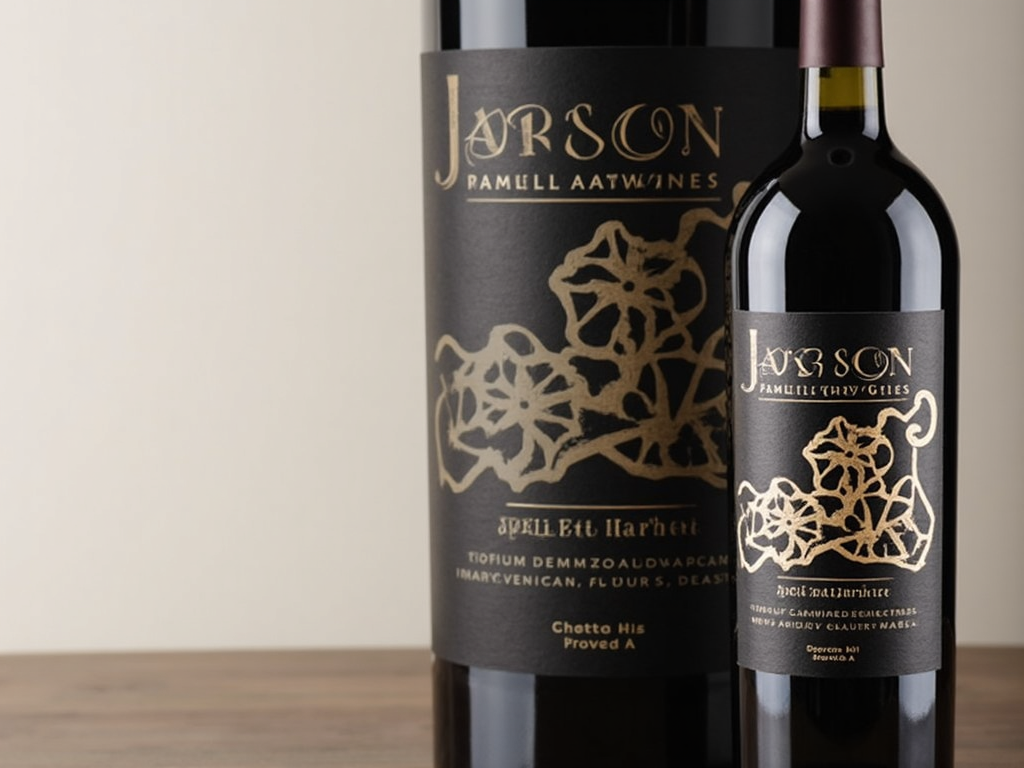
Special Editions by Jackson Family Wines
Jackson Family Wines is a renowned wine brand that produces a wide range of high-quality wines, including some special editions that are truly unique. For example, their Kendall-Jackson Vintner's Reserve Chardonnay is a classic California wine with notes of tropical fruit and vanilla, while their La Crema Pinot Noir offers a smooth, velvety texture with hints of cherry and spice. These special editions showcase the brand's commitment to innovation and excellence. Learn more about their sustainability efforts in this article from Wine Spectator.
The Future of Wine
As the wine industry continues to evolve, it's likely that we'll see even more innovation and experimentation. Climate change may force winemakers to adapt their practices and explore new grape varieties, while changing consumer preferences could lead to the development of new wine styles and flavors. Innovative technologies such as artificial intelligence may soon play a role in vineyard management, enhancing sustainability and efficiency. Whatever the future holds, one thing is certain: wine will continue to be a beloved part of human culture for generations to come.
In conclusion, the history of wine is a testament to human ingenuity and creativity. From its ancient origins to its modern-day incarnations, wine has played a central role in our social, cultural, and religious lives. Whether you're a seasoned wine enthusiast or a curious beginner, there's always something new to discover in the world of wine. So, raise a glass and toast to the rich history and bright future of this timeless beverage.